



- Understanding the "Advance Booking" Imperative: More Than Just Pay Parking
- Metro Vancouver's Must-Book Destinations: Parks Where Advance Parking Passes Are Non-Negotiable
- A. Garibaldi Provincial Park: Your Gateway to Alpine Wonders
- B. Golden Ears Provincial Park: A Wilderness Escape Requiring Foresight
- C. Joffre Lakes Provincial Park: Turquoise Beauty, Pre-Booked Parking
- D. Mount Seymour Provincial Park: Winter Wonders and Parking Passes
- E. Buntzen Lake: A Hydro-Managed Gem with Mandatory Reservations
- Other Popular Metro Vancouver Destinations with Parking Challenges (No Advance Booking Required)
- Planning Your Visit: Essential Tips for a Smooth Trip
- Conclusion: Embrace the Adventure, Plan the Parking
Metro Vancouver boasts an incredible array of natural beauty, from pristine “Vancouver beaches” to challenging “Vancouver hiking trails” and serene “Vancouver parks.” These “Vancouver outdoor activities” are a major draw for both locals and visitors, but their immense popularity comes with a hidden challenge: parking. For many top destinations, showing up unprepared means circling for hours, facing full lots, or even being turned away. This can quickly turn an anticipated day of exploration into a frustrating ordeal.
This guide reveals the popular Metro Vancouver destinations where visitors must book their parking in advance. It will also clarify the crucial difference between locations that require a mandatory pre-booked pass to even enter the parking lot and those that simply charge for parking on a first-come, first-served basis. By understanding these requirements, visitors can plan smarter, explore more, and guarantee a seamless, stress-free adventure, whether seeking “Vancouver family activities” or “things to do in Vancouver for adventure seekers.”
Understanding the “Advance Booking” Imperative: More Than Just Pay Parking
The natural spaces across Metro Vancouver are experiencing unprecedented popularity. This surge in visitors, while wonderful for outdoor enthusiasts, puts immense pressure on existing infrastructure, particularly parking facilities. This evolving landscape of park access necessitates new management strategies.
The implementation of advance booking systems, such as BC Parks’ day-use passes, is a direct response to the increasing demand and resulting strain on natural environments. For instance, Metro Vancouver Regional Parks like Lynn Headwaters and Belcarra introduced seasonal pay parking to manage “unprecedented high-volume traffic leading to congestion and overflow parking concerns”. This indicates a clear progression in access management, moving beyond simple payment to actively control visitor capacity. The fact that “free day-use passes were temporarily required last summer for several province-run trails to reduce crowding” further highlights this trend. As Metro Vancouver’s population grows and outdoor recreation remains a cherished pastime, it is anticipated that more parks and beaches, especially those with limited infrastructure, might transition from merely pay parking to mandatory advance booking systems in the future. This shift is a necessary evolution for sustainable tourism and preserving the quality of the outdoor experience.
It is vital for visitors to understand the critical distinction between locations that require a mandatory advance reservation for parking and those that simply have paid parking on a first-come, first-served basis. Advance booking, as defined in this context, involves securing a pass or reservation for a vehicle before arrival, often days in advance, to guarantee entry to the parking area. Without such a pass, entry may be denied, as there is “no available first come, first served parking”.
In contrast, pay parking requires payment upon arrival, typically via an app, meter, or attendant. However, it does not guarantee a parking spot. These lots still operate on a first-come, first-served basis and can fill up quickly, leading to significant congestion and frustration. For example, təmtəmíxʷtən/Belcarra Regional Park explicitly states, “No, there are no reservations or advance purchases. Payments can only be made at the park (first come, first served)”. Similarly, West Vancouver parks, including Lighthouse Park and Whytecliff Park, have year-round pay parking but do not offer advance booking for general public spots. Even popular spots like Centennial Beach in Delta face severe parking problems, with thousands of visitors vying for limited spots, yet they operate without an advance booking system. Understanding this crucial difference is paramount for planning a successful trip and avoiding wasted travel time.
Metro Vancouver’s Must-Book Destinations: Parks Where Advance Parking Passes Are Non-Negotiable
For those planning “Vancouver outdoor activities” that involve visiting some of the region’s most popular provincial parks, securing a day-use pass in advance is not just recommended—it’s mandatory. Without a pre-booked pass, visitors risk being turned away, even if parking spots appear open. These passes manage vehicle access to specific trailheads or areas during peak seasons.
Booking Essentials for BC Parks Day-Use Passes:
- Platform: All required day-use passes for BC Parks are booked exclusively through the official BC Parks day-use pass website.
- Timing: Passes are released precisely at 7:00 AM, two days before the intended visit date. Promptness is essential, as passes for highly sought-after destinations can disappear within minutes.
- Availability: A predetermined number of passes are released daily. If initial attempts are unsuccessful, checking back frequently is advisable, as cancelled passes may become available.
- Pass Types: Depending on the park and activity, visitors may need a vehicle pass (valid for up to 12 people traveling in the same vehicle) or individual trail passes.
- Preparation: Mobile internet connectivity can be unreliable in many remote park areas. It is strongly advised to download, screenshot, or print the pass before arriving at the park.
A. Garibaldi Provincial Park: Your Gateway to Alpine Wonders
Garibaldi Provincial Park, located northeast of “Squamish” and accessible from “North Vancouver,” is renowned for its stunning alpine lakes, glaciers, and challenging “Vancouver hiking trails” such as Panorama Ridge and Black Tusk. It stands as a premier destination for “Vancouver outdoor activities” and “adventure seekers.”
To manage the park’s immense popularity and protect its fragile ecosystems, day-use vehicle passes are mandatory for access to key trailheads during peak seasons. Specifically, passes are required for the Diamond Head, Rubble Creek, and Cheakamus Lake trailheads. For Diamond Head and Rubble Creek, passes are valid for arrival and departure any time of day on Fridays, Saturdays, Sundays, Mondays, and holidays from June 13 to October 13, 2025. The Cheakamus Lake trailhead requires passes daily from June 13 to September 1, and on Fridays, Saturdays, Sundays, and Mondays from September 2 to October 13.
The intense competition for these passes highlights a modern phenomenon where access to popular natural sites is increasingly determined by digital readiness and speed, rather than just physical arrival time. Reports indicate that passes for Garibaldi are often “sold out immediately at 7:00 AM”. This competitive booking window is a direct consequence of the limited capacity of parking lots and trails combined with overwhelming demand, creating an artificial scarcity that requires visitors to be highly prepared and punctual in their online booking efforts.
A cautionary note for visitors: parking lots at popular trailheads, particularly Rubble Creek, have experienced vehicle break-ins. It is strongly advised to “leave nothing of value in your car” to mitigate this risk.
B. Golden Ears Provincial Park: A Wilderness Escape Requiring Foresight
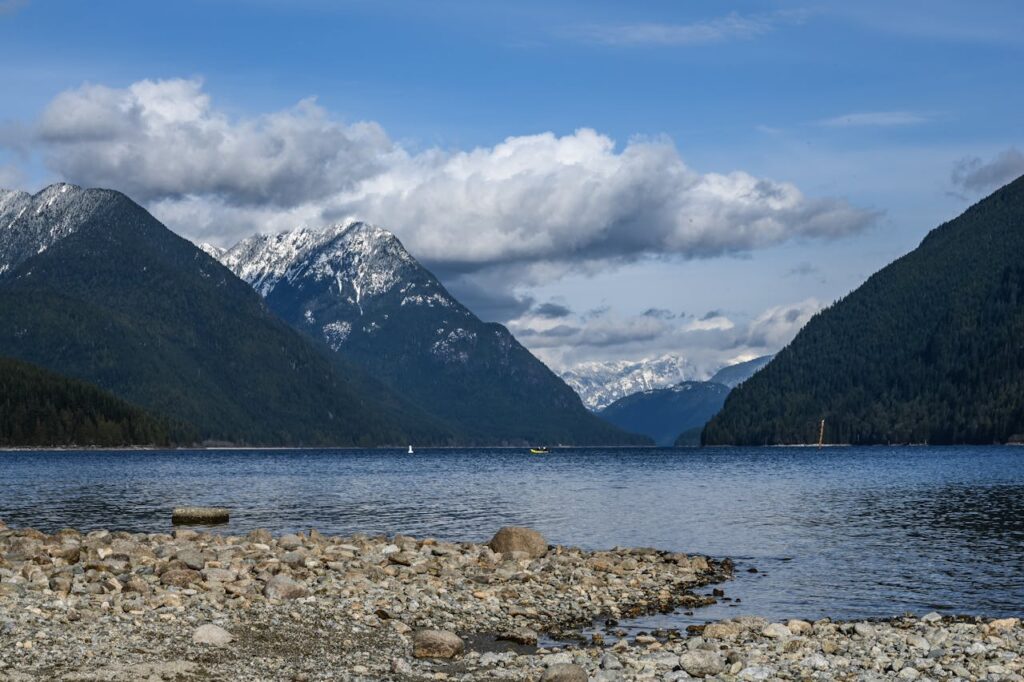
Located in “Maple Ridge,” Golden Ears Provincial Park is one of BC’s largest and most popular parks, offering extensive “Vancouver hiking trails,” camping, and diverse opportunities for “Vancouver outdoor activities” like exploring waterfalls and old-growth forests.
Day-use vehicle passes are required for entry to Golden Ears Provincial Park during peak seasons. Similar to other popular BC Parks, these passes must be booked online two days in advance, starting at 7:00 AM.
Even with the day-use pass system in place, parking remains a significant challenge due to the park’s popularity. Reviews consistently mention that parking lots, such as the Gold Creek lot, can be “packed at 10:30AM” on busy days, with vehicles often “parked along the road well past the one-way bridge”. This underscores that while a pass guarantees entry, arriving early within the booking window is still crucial for a smoother parking experience.
The system of “free” day-use passes for highly coveted natural spaces, while seemingly beneficial, introduces a hidden cost. Although there is no monetary fee, the significant time investment required to secure these passes—often involving logging in precisely at 7:00 AM two days in advance and competing for limited spots—represents a substantial overhead in terms of planning and effort. This dynamic highlights the increasing value placed on access to nature, even when the direct financial cost is absent, and implies that “free things to do in Vancouver” often come with a considerable planning burden.
C. Joffre Lakes Provincial Park: Turquoise Beauty, Pre-Booked Parking
While situated slightly beyond the immediate Metro Vancouver core, Joffre Lakes Provincial Park is a highly sought-after destination for “Vancouver hiking trails” due to its stunning turquoise lakes. It exemplifies “Vancouver outdoor activities” that draw visitors from across the entire region.
Day-use passes are explicitly required for Joffre Lakes, and park officials have been known to turn away individuals at the trailhead who do not possess a valid pass. The official policy states, “no available first come, first served parking, so book ahead to avoid disappointment”.
Securing a pass for Joffre Lakes can be challenging, with reports indicating they are “a little hard to get” and often “gone within 5 minutes” of their 7:00 AM release time. Although an overflow parking lot exists approximately 500 meters before the main park entrance, a day-use pass is still mandatory to use any parking facility. Even with a pass, arriving earlier, ideally before 11:00 AM, is recommended for better parking options.
The implementation of this booking system at Joffre Lakes illustrates a common pattern observed in popular natural areas: high visitor popularity combined with limited infrastructure (such as parking and trail capacity) often leads to negative impacts, including congestion and even increased instances of vandalism. Reports of vehicle break-ins and theft at the Joffre Lakes parking lot underscore these challenges. The regulatory response of mandatory advance booking is a direct consequence of the inability of existing infrastructure to handle the sheer volume of visitors, aiming to preserve both the natural environment and the overall visitor experience. This suggests that as more “Vancouver outdoor activities” gain widespread popularity, similar regulatory measures might be adopted in other currently free or first-come, first-served locations within Metro Vancouver.
D. Mount Seymour Provincial Park: Winter Wonders and Parking Passes
Located in “North Vancouver,” Mount Seymour is a popular spot for “Vancouver outdoor activities,” particularly in winter for skiing, snowboarding, and snowshoeing. It serves as a key destination for “things to do in Vancouver in winter” and “Vancouver family activities.”
While a general day-use pass is not universally required for the entire park, a day-use vehicle pass may be required for parking in lot P1 during the winter season, specifically for accessing backcountry trails. This requirement is particularly relevant for those planning winter wilderness camping.
Even with the pass system in place, Mount Seymour can experience significant parking challenges. Visitors have reported “very long lineups” to enter the parking lot, a direct result of the high demand during peak winter periods. This highlights that while a pass is necessary for access, it does not entirely eliminate congestion.
The specific winter parking pass requirement for Mount Seymour’s P1 lot demonstrates that parking management strategies are becoming highly seasonal and location-specific within a single park. This adaptation to peak usage patterns, such as the distinct demands of winter sports versus summer hiking, allows authorities to manage visitor flow more effectively. For visitors seeking “things to do in Vancouver in winter,” this means that planning needs to be highly dynamic, with specific attention paid to seasonal changes in parking regulations.
E. Buntzen Lake: A Hydro-Managed Gem with Mandatory Reservations
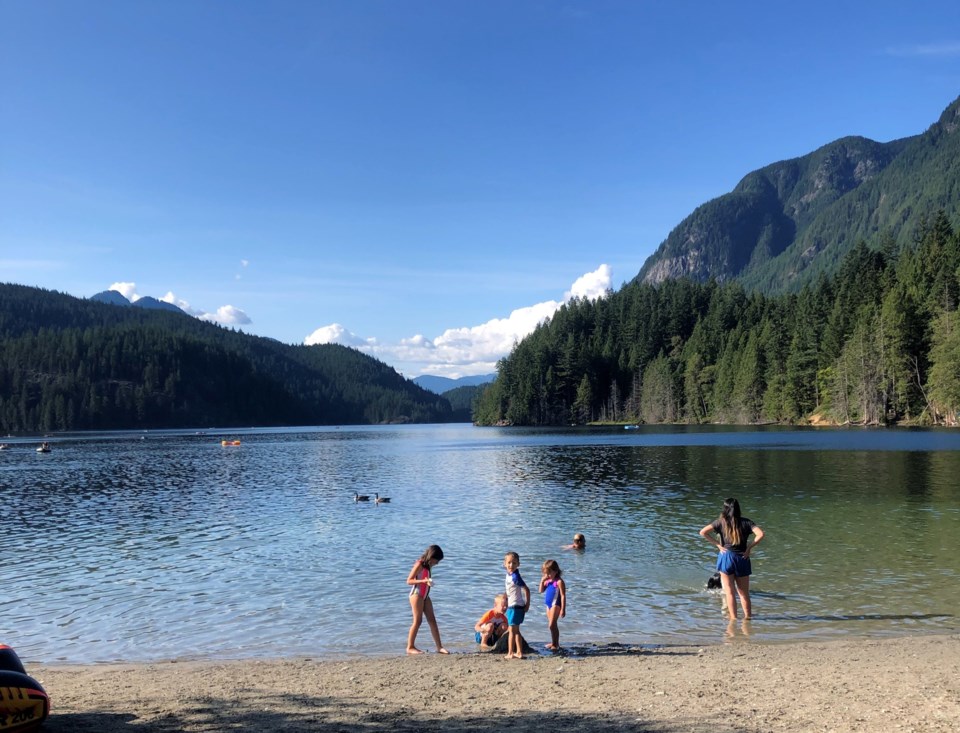
Buntzen Lake, located in “Anmore” near “Coquitlam,” is a highly popular destination for “Vancouver outdoor activities” like swimming, hiking, and picnicking. Managed by BC Hydro, it operates a separate, mandatory parking reservation system during its peak season, typically from May 15 to September 1 each year. Without a pre-booked pass, vehicle entry is not permitted, as there is “no first come, first served parking” during this period.
Booking Essentials for Buntzen Lake:
- Platform: Reservations are made exclusively through BC Hydro’s online system, distinct from the BC Parks website.
- Timing: Passes become available at 7:00 AM one day before your intended visit.
- Availability: These passes are in extremely high demand, especially on weekends and warm days, and can sell out “very quickly at 7 a.m.”. Some users report passes being “gone within 5 seconds”.
- Pass Types: Visitors can choose from morning, afternoon, or full-day passes. For longer hikes, such as the Sendero Diez Vistas trail, a full-day pass is recommended to ensure sufficient time.
- Important Note: Repeated “no-shows” for booked passes may result in account suspension, preventing future bookings.
The reservation system was implemented to alleviate severe traffic congestion and enhance safety for both visitors and local residents, as well as to ensure emergency access. While the system has significantly reduced vehicle lineups, some visitors have noted that the parking lot may appear to have empty spots even when passes are “sold out,” leading to frustration. This highlights the challenges of balancing demand with capacity management in popular natural areas.
Table: Metro Vancouver Parks Requiring Advance Parking Passes
| Park Name | Key Trailheads/Areas | Advance Booking Required (Yes/No) | Booking Platform | Booking Window | Key Notes |
| Garibaldi Provincial Park | Diamond Head, Rubble Creek, Cheakamus Lake | Yes | BC Parks Day-Use Pass Website | 7:00 AM, 2 days prior | Passes for vehicle (up to 12 people); check specific dates for each trailhead. |
| Golden Ears Provincial Park | All areas (vehicle access) | Yes | BC Parks Day-Use Pass Website | 7:00 AM, 2 days prior | Passes for vehicle (up to 12 people); Gold Creek lot gets very busy. |
| Joffre Lakes Provincial Park | All areas (vehicle access) | Yes | BC Parks Day-Use Pass Website | 7:00 AM, 2 days prior | Passes for vehicle (up to 12 people); frequently sell out fast; beware of theft. |
| Mount Seymour Provincial Park | P1 Lot (Winter Backcountry Access) | Yes (Seasonal) | BC Parks Day-Use Pass Website | 7:00 AM, 2 days prior | Free day-use vehicle passes may be required in winter; expect lineups. |
| Buntzen Lake | All areas (vehicle access) | Yes (Seasonal) | BC Hydro Online System | 7:00 AM, 1 day prior | Free passes; often sell out within seconds; morning/afternoon/full-day options. |
This table provides a quick, consolidated reference for visitors, streamlining their planning process by clearly outlining the essential booking details for these must-book Metro Vancouver destinations.
Other Popular Metro Vancouver Destinations with Parking Challenges (No Advance Booking Required)
While the parks listed above mandate advance parking passes, many other popular “Vancouver beaches” and “Vancouver parks” experience significant parking challenges without requiring pre-booked spots. These locations operate on a first-come, first-served basis, meaning early arrival is the primary strategy for securing parking.
A. Metro Vancouver Regional Parks (Pay Parking, First-Come, First-Served)
Metro Vancouver manages several regional parks that have implemented pay parking to manage high visitor volumes, but they do not offer advance parking reservations for general public access.
- təmtəmíxʷtən/Belcarra Regional Park: This popular park, accessible from areas like “Coquitlam,” has seasonal pay parking in effect from April 1 to September 30. Rates are $3.25 per hour, with a daily maximum of $18.50. However, it is explicitly stated that “there are no reservations or advance purchases” and payments can only be made at the park upon arrival.
- Lynn Headwaters Regional Park: Located in “North Vancouver,” this park also features seasonal pay parking from March 1 to October 31, at a rate of $2 per hour. Similar to Belcarra, advance reservations for parking are not available for the general public. While pay parking aims to reduce congestion and encourage turnover, it does not guarantee a spot, reinforcing the need for early arrival during peak times.
B. City of Vancouver Parks (Pay Parking, First-Come, First-Served)
Within the “City of Vancouver,” several iconic parks operate with paid parking systems, but they do not require advance booking for general public parking.
- Stanley Park and Queen Elizabeth Park: These major “Vancouver parks” utilize paid parking, which is managed by EasyPark. While visitors can pay for their parking upon arrival, there is no system in place for the general public to reserve parking spots in advance.
- Pacific Spirit Regional Park: Adjacent to the University of British Columbia and offering access to “Vancouver beaches” like Wreck Beach, this park has surface lots with Pay-by-Plate parking meters. Rates are $3.50 per hour, with a daily maximum of $17.50. Parking is first-come, first-served, and no advance booking is available.
C. West Vancouver Parks (Year-Round Pay Parking, First-Come, First-Served)
“West Vancouver” offers numerous scenic parks that have year-round pay parking, often reaching maximum capacity quickly, especially during good weather.
- Lighthouse Park, Whytecliff Park, Whyte Lake/Nelson Canyon, Cypress Falls, and Seaview Walk: Pay parking is in effect year-round, seven days a week, from 7:00 AM to 10:00 PM. The hourly rate is $3.75, plus applicable taxes and transaction fees. Payment can be made through mobile apps like hangTag and PayByPhone, or directly on the Impark website. There is no option for a day pass or a daily parking rate, and no maximum time limit for pay parking, though overnight parking is not permitted. Residents of West Vancouver are eligible for a free annual parking pass, tied to their license plate. Despite the fees and popularity, these parks operate on a first-come, first-served basis for parking.
D. Other Congested Areas (No Booking System)
Some popular “Vancouver beaches” and “Vancouver parks” experience severe congestion without any formal advance booking or even consistent pay parking systems, relying solely on early arrival.
- Centennial Beach (Delta): Located in Boundary Bay Provincial Park, this “Vancouver beach” in “Delta” has become extremely popular, leading to significant traffic and parking problems. Reports indicate that as many as 5,000 people try to access only 650 parking spots during peak times, forcing visitors to park illegally on streets and in bike lanes. There is no advance booking system here; the only advice is to “come super early”.
- Lynn Canyon Park (North Vancouver): While a popular destination for “North Vancouver” residents and visitors, Lynn Canyon Park has seasonal pay parking in its main lot. However, free parking is available in the east Lynn Canyon parking lot, located off the northern end of Lillooet Road, near the Lower Seymour Conservation Area. General public parking does not require advance booking.
Planning Your Visit: Essential Tips for a Smooth Trip
Navigating parking at Metro Vancouver’s popular outdoor destinations requires strategic planning. By adopting a proactive approach, visitors can transform potential frustration into seamless “Vancouver outdoor activities.”
- Book Early, Book Smart: For BC Parks requiring day-use passes, set an alarm for 6:55 AM two days before your desired visit. For Buntzen Lake, set an alarm for 6:55 AM one day before. Be ready to book precisely at 7:00 AM, as passes are highly competitive and can vanish within minutes. Have your vehicle and personal details ready to expedite the process.
- Consider Alternatives to Driving: For many popular spots, especially those prone to congestion, exploring alternative transportation is a wise move. Public transit, including TransLink’s extensive network and Park and Ride facilities for commuters, can be an option for accessing areas near transit hubs. Carpooling with friends or family not only reduces the number of vehicles but also makes the trip more enjoyable. Cycling can be a fantastic way to access parks like Stanley Park or Pacific Spirit Regional Park, offering “Vancouver bike tours” opportunities. For destinations like Garibaldi Provincial Park, services like Parkbus offer a convenient alternative to driving and dealing with parking, especially given the parking lot security concerns.
- Arrive Prepared and Early: Even with a pre-booked pass, arriving early in the morning can significantly enhance the experience, allowing for quieter trails and easier navigation of parking areas. Always download, screenshot, or print your pass before leaving home, as cell phone service can be limited in many park areas. Additionally, always check the official park websites for the latest trail conditions, weather alerts, and any last-minute changes to pass requirements.
- Prioritize Vehicle Security: Unfortunately, parking lots at popular trailheads, such as those at Joffre Lakes and Garibaldi Provincial Park, have been targets for vehicle break-ins and vandalism. To minimize risk, avoid leaving any valuables visible in your vehicle. If possible, leave them at home or take them with you on the trail.
- Embrace Flexibility: While planning is crucial, being prepared for unexpected changes, such as full lots even with paid parking, or weather shifts, can prevent disappointment. Having a backup plan or being open to exploring a less-crowded alternative can save the day.
Conclusion: Embrace the Adventure, Plan the Parking
Metro Vancouver offers an unparalleled playground for “Vancouver outdoor activities,” from serene “Vancouver parks” to exhilarating “Vancouver hiking trails.” The increasing popularity of these destinations, while a testament to their allure, has introduced new challenges, particularly regarding parking access.
The analysis clearly demonstrates that a critical distinction exists between parks that require mandatory advance parking reservations (primarily BC Parks like Garibaldi, Golden Ears, Joffre Lakes, specific winter access at Mount Seymour, and BC Hydro’s Buntzen Lake) and those that operate on a first-come, first-served pay parking model (such as Metro Vancouver Regional Parks, City of Vancouver parks, and West Vancouver parks). Understanding this nuance is the key to a stress-free experience. The intense competition for day-use passes, often selling out within minutes, underscores the high demand for access to these natural treasures and highlights the evolving nature of outdoor recreation management. Furthermore, practical considerations beyond just securing a spot, such as vehicle security at remote trailheads, are vital for a safe and enjoyable trip.
By embracing proactive planning, utilizing available booking systems, considering alternative transportation, and arriving prepared, visitors can confidently navigate the parking landscape. This approach empowers individuals to fully immerse themselves in the “things to do in Vancouver,” whether it’s “Vancouver family activities” or pursuits for “Vancouver for adventure seekers,” ensuring that the journey to nature is as rewarding as the destination itself.