


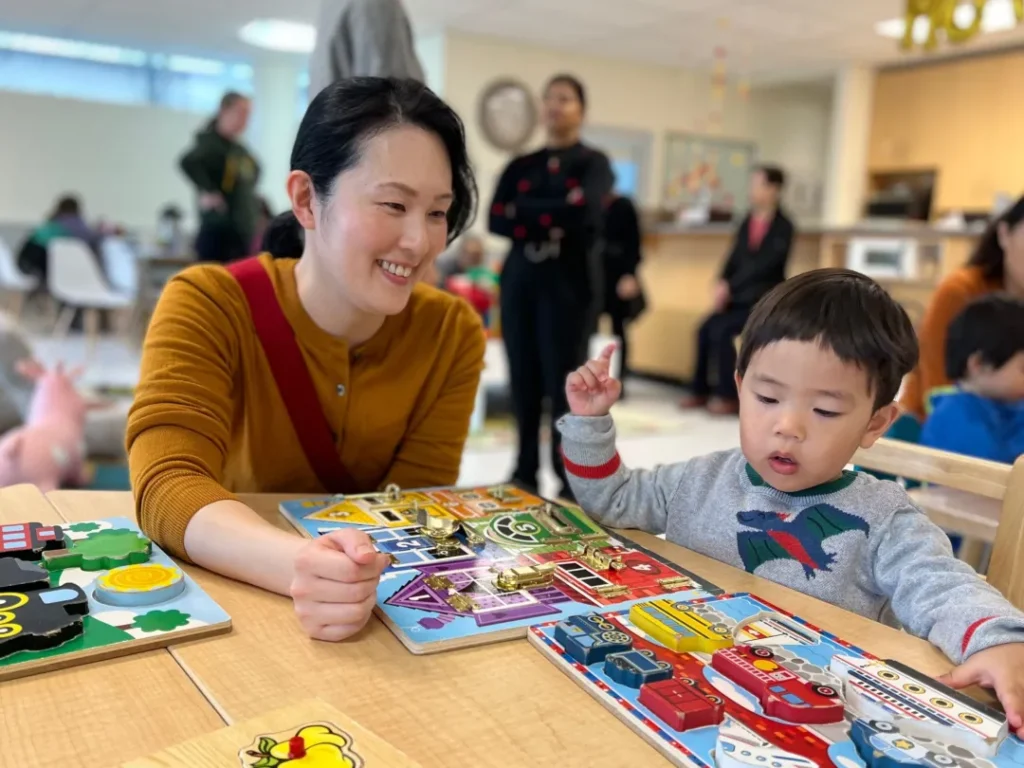
I. Anchor in Active Vancouver: The Crucial Role of Connection in Urban Life
Raising a family in a dense, dynamic metropolis like Vancouver presents unique challenges. While the city offers immense opportunities, the fast pace and inherent geographical separation in urban environments can often lead to feelings of isolation. This isolation is not merely an emotional detriment; it constitutes a fundamental barrier to health, security, and overall social resilience. When families, caregivers, or seniors lack reliable, centralized support, the ability to thrive—and not just survive—becomes severely compromised.
The necessity for robust local infrastructure that intentionally combats this urban fragmentation is paramount. Connection, in this context, is not a luxurious amenity but the core building block of holistic health and communal stability. Understanding this critical requirement leads directly to the establishment of institutions dedicated to nurturing social bonds.
At the forefront of this effort in South Vancouver stands the Marpole Oakridge Family Place (MOFP). Since its establishment in 1978, MOFP has operated as a leading not-for-profit organization dedicated to supporting families, grandparents, caregivers, and children.1 The enduring core mandate of MOFP is clearly articulated: “to promote the health and well-being of the community and nurture strong family connections within it”.1 This commitment spans over four decades, reflecting a profound resilience and continuity essential for building social infrastructure.
The long history of the organization, dating back nearly 45 years, provides much more than a narrative; it demonstrates institutional reliability. This longevity, having withstood numerous demographic and economic shifts in Vancouver, is crucial for fostering genuine community stability. The ability of MOFP to persist and grow, evolving from humble origins in a private living room to a purpose-built community asset, establishes a long-term foundation of certainty. This history directly contributes to the organizational value of Trust, ensuring that vulnerable community members view MOFP as a safe and reliable constant in their lives, which, in turn, allows for higher engagement and utilization of their crucial support systems.
II. The Operational Evolution: From Firehouse to Community HUB
MOFP’s physical journey mirrors its evolving programmatic scope, reflecting a consistent, adaptive responsiveness to the community’s changing needs. The organization’s initial efforts began in a private living room, quickly moving to a small, two-days-a-week operation run by dedicated volunteers at the Marpole Oakridge Community Centre, sustained purely by donations.2 It later found a more established base in the heritage building that once served as the old Marpole Firehouse on Hudson and West 70th Avenue.2
A critical inflection point occurred after a flood in 2013 necessitated a move to the Taiwanese Canadian Cultural Society building. This transition ultimately culminated in the organization securing its current, highly strategic location: a purpose-built space within the Marpole Community HUB building.2 The current physical location is significant, as the HUB is owned by the City of Vancouver. This placement signals strong institutional support and a strategic positioning designed to maximize accessibility and impact, confirming MOFP’s alignment with municipal social sustainability goals.1
A Dynamic Mandate: Expanding Beyond Early Childhood
Initially, MOFP’s foundational services were centered on supporting families with young children, specifically targeting caregivers, grandparents, and children aged 0-6 years.3 However, the organization recognized the necessity of expanding its scope to serve the entire family unit and address broader community needs.
This expansion began around 2010 with the addition of Social Literacy programs, which were included as part of the 2010 Legacy project.2 This strategic move acknowledged that integration into the community often depends on foundational language skills. The most significant structural change, however, occurred in 2014 when MOFP proactively expanded its programming to include support systems specifically tailored for Seniors and Vulnerable Adults.1
The decision to offer intergenerational programming demonstrates proactive foresight in responding to demographic realities, such as Vancouver’s aging population and the prevalence of multi-generational households. By expanding its focus, MOFP validates its title as a “Family Place,” encompassing support for the entire family lifecycle rather than just early childhood development. This approach ensures holistic family wellness, where the challenges faced by children, active caregivers, and elder generations are addressed simultaneously, thereby nurturing robust family connections across generational divides.1
The physical location in the Marpole Community HUB is not merely a convenient address; it functions as a comprehensive strategy for barrier removal. Just as other Family-Community Resource Centers work to connect families to vital resources like food, housing, medical referrals, and job assistance 5, locating MOFP’s diverse array of services—ranging from parenting support to seniors’ outreach—in one centralized location eliminates the logistical burdens associated with navigating a fragmented service landscape across a large neighborhood. This centralization directly results in increased program utilization, thereby strengthening community connection and support networks for those who need them most.
III. The Comprehensive Network of Support: Services for Every Community Member
MOFP provides a diverse array of reliable, structured programs designed to meet the complex needs of the Marpole Oakridge community, ensuring support is delivered in a stimulating and respectful atmosphere.3
Foundations of Flourishing: Early Childhood and Parenting Confidence
The core audience for MOFP’s earliest and most established work remains parents, caregivers, grandparents, and children aged 0-6 years.3 The organization provides a secure, well-resourced, and stimulating environment where children can safely play and learn, and where their caregivers can find respite and solidarity.1
The primary functions of these programs focus on enhancing early childhood development while simultaneously promoting parenting confidence. This involves offering education and support designed to foster coping skills and deepen the relationships between parents or caregivers and their children.2 These efforts are intrinsically linked to the MOFP S.T.R.O.N.G. values of Nurturing and Growth, focusing on the well-being and potential of the youngest community members and those responsible for their care.2
Intergenerational Wellbeing: Programs for Seniors and Vulnerable Adults
Since the 2014 programmatic expansion, MOFP has offered dedicated support systems for seniors and vulnerable adults.1 These programs are critical in a multi-generational setting, designed to increase participants’ skills, knowledge, and access to resources necessary for long-term security and wellness.3
The commitment to this demographic is formalized through the organizational structure, which includes dedicated personnel, such as a Seniors Outreach Coordinator.2 This specialized coordination ensures that the particular needs of elder community members are met with focused expertise and appropriate resources.
Integration and Empowerment: Social Literacy and Essential Resources
MOFP serves as a vital resource hub, providing essential services to new immigrants, vulnerable adults, and any family requiring external support.1 The organization explicitly offers social literacy programs for learning English.1
The provision of language support alongside family services creates a powerful synergy. For new immigrant families, language proficiency is often the key that unlocks access to employment, financial stability, and effective navigation of social services. By integrating English learning, MOFP proactively removes a fundamental barrier that otherwise causes profound isolation, empowering caregivers to participate more effectively in community life and parenting programs.
Furthermore, the organization maintains an atmosphere of Openness by ensuring programs operate with deep respect for families of different cultural and socio-economic backgrounds.3 This welcoming, inclusive approach ensures that the organization can effectively serve a diverse community, acting as a crucial first point of contact that can provide referrals to essential external services such as food banks, housing assistance, and medical or dental care, consistent with the operations of effective Family-Community Resource Centers.5
The MOFP team is strategically organized to manage this complexity. Key personnel include an Executive Director, a Family Support Coordinator, and a multi-role coordinator handling Seniors Outreach, Literacy Outreach, and Cultural Inclusion.2 This specialized staffing structure ensures that the varied, complex needs of an intergenerational and diverse community are met not just with goodwill, but with targeted, professional expertise.
Table 1 summarizes the holistic range of services offered by MOFP, illustrating the organizational alignment between program offerings and core values.
Table 1: Marpole Oakridge Family Place Holistic Service Matrix
| Program Focus Area | Primary Audience | Key Function/Impact | MOFP Value Alignment (S.T.R.O.N.G.) |
| Early Childhood & Family Support | Children (0-6 years), Parents, Caregivers | Enhances early childhood development; promotes parenting confidence and coping skills in a safe environment.3 | Nurturing, Growth, Supportive |
| Intergenerational & Seniors Support | Seniors, Vulnerable Adults | Provides support systems, increases knowledge/resources, and promotes skill development.1 | Supportive, Relationship, Growth |
| Social Integration & Literacy | Newcomers, Immigrants, Vulnerable Adults | Offers social literacy programs (English learning); fosters inclusivity and community interaction.1 | Openness, Relationship |
| Essential Resources & Referral | All Community Members | Connects families to vital external resources (food, housing, medical); reduces barriers to access.5 | Supportive, Trust |
IV. The Philosophy of Connection: Unpacking the S.T.R.O.N.G. Framework
The remarkable ability of MOFP to create lasting community bonds is not accidental; it is mandated by a clear philosophical structure embedded in all operations. The organization is guided by a set of core values summarized by the acronym S.T.R.O.N.G..2
Supportive operations ensure that a safe and encouraging environment is provided for everyone who enters the HUB.2 This is the necessary prerequisite that allows individuals, especially those facing vulnerability, to lower their guard and accept help.
Trust is built through relationships rooted in honesty, reliability, and respect.2 In an environment where systemic instability might be commonplace, providing reliable support addresses a foundational psychological need.
Relationship explicitly defines the organizational priority: fostering meaningful, authentic connections with both families and the broader community.2 This is the deliberate mechanism used to fulfill the core mission of nurturing strong family connections.1
Openness emphasizes welcoming diverse perspectives and fostering inclusive dialogue.2 Crucially, this commitment translates into practical service delivery, ensuring a respectful atmosphere for families of different cultural and socio-economic backgrounds who call Marpole Oakridge home.3
Nurturing reflects a deep commitment to the well-being of every individual served 2, fostering a positive environment where both children and adults feel valued.
Growth is the outcome of these efforts, empowering individuals and families to learn, thrive, and ultimately reach their fullest potential.2
Building Social Capital through Intentional Values
The S.T.R.O.N.G. framework serves as a strategic blueprint for generating social capital within the neighborhood. The conscious prioritization of Trust and Relationship ensures that community members feel secure enough to be vulnerable, disclose needs, and accept reciprocal support. Without this foundation of psychological safety and reliable rapport, the delivery of simple resources would remain transactional and fail to create long-term social stability.
The framework ensures that MOFP does not merely address isolated symptoms, such as the temporary need for basic resources. Instead, it addresses the underlying cause of urban distress—isolation—by intentionally constructing a resilient social network. This strategy transforms the MOFP community into a robust, self-sustaining mechanism of support. The welcoming, supportive, and relaxing environment facilitated by the organization allows parents, caregivers, and children to gather, socialize, play, and learn in a low-pressure setting, which is vital for building the authentic connections underpinning the “Relationship” value.6
The ability of MOFP to thrive in a highly multicultural city like Vancouver is directly attributable to its commitment to Openness, ensuring that its service model respects the diverse experiences of its patrons.3
Table 2: MOFP’s S.T.R.O.N.G. Core Values in Action
| Value | Operationalized Definition | Direct Impact on Community Connection |
| Supportive | Providing a safe and encouraging environment for all.2 | Reduces anxiety and barriers for accessing help; fosters personal and collective resilience. |
| Trust | Building relationships rooted in honesty and reliability.2 | Ensures organizational integrity and reliability, crucial for empowering vulnerable populations. |
| Relationship | Prioritizing meaningful, authentic connections.2 | The primary mechanism for building community bonds between individual families.1 |
| Openness | Welcoming diverse perspectives and fostering inclusive dialogue.2 | Ensures the environment is respectful for all cultural and socio-economic backgrounds.3 |
| Nurturing | Deeply caring for the well-being of each individual served.2 | Promotes parenting confidence and deepens relationships between parent/child.2 |
| Growth | Empowering families and individuals to learn, thrive, and reach their potential.2 | Drives progress towards educational objectives and improved self-esteem.7 |
V. The Measurable Impact of Belonging: Transforming Lives Through Local Bonds
The effectiveness of MOFP’s philosophy is evident in the tangible, quantifiable results achieved by the community members it serves. The organization plays a critical role in offering “Resources, education, and social opportunities for single-mother families,” a focus area reinforced by specialized external support from organizations like the Cause We Care Foundation.1
MOFP tracks and measures the lasting impact of its investments in social support and programming. The feedback from recipients reveals powerful outcomes that extend far beyond mere physical resource allocation. A snapshot of reported outcomes highlights the profound difference that structured, connected support makes in the lives of vulnerable families 7:
- Improved connections to community: 86%
- Increased hopefulness: 93%
- Improved self-esteem: 95%
- Improved opportunities / well-being for her children: 88%
- Made progress towards educational objectives: 95%
- Improved financial security: 69%
The Causal Link Between Social Capital and Economic Stability
Analysis of this data demonstrates a strong, palpable link between enhanced social connectivity and foundational economic stability. An impressive 86% of recipients reported improved community connections, which correlates closely with the 69% reporting improved financial security.7 This suggests that MOFP’s infrastructure operates as a pathway to economic empowerment, rather than simply offering temporary comfort. Strong community connections lead directly to greater resource sharing, networking opportunities, and the confidence (driven by 95% improved self-esteem) necessary to pursue educational objectives (95% progress) and secure stable employment. In essence, the social capital generated by MOFP is effectively converted into sustained economic capital for families.
Furthermore, the exceptionally high scores in personal development—95% improved self-esteem and 93% increased hopefulness—underscore the organization’s crucial, though perhaps often overlooked, role as a public mental health support system.7 Providing a welcoming, supportive, and relaxing environment acts as a fundamental preventative measure against the isolation, stress, and chronic depression often associated with poverty and caregiving challenges.6 This community-level resilience built by MOFP is a vital complement to clinical support services, potentially reducing the overall burden on acute mental health care systems in the Vancouver area by fostering proactive psychological well-being.
VI. Sustaining the Strength: The Trusted Network Behind MOFP
The operational stability and high integrity of MOFP are validated by the diversity and reliability of its funding and partnership network. The organization receives support across three major sectors: government, charitable foundations, and corporate donors.1
Institutional Trust and Government Alignment
MOFP’s work is recognized and supported by key governmental and institutional bodies, affirming its legitimacy and alignment with broader social sustainability goals:
- City of Vancouver: Provides backing because MOFP helps maintain a healthy, socially sustainable city by giving residents essential opportunities for community interaction.1 The fact that MOFP is housed in a City-owned HUB further cements this foundational relationship.2
- Ministry of Children and Family Development (MCFD): Provides critical Early Childhood Development (ECD) funding. This validates the efficacy of MOFP’s core mandate—supporting children aged 0-6 years 3—by recognizing that the experiences and environment provided lay the foundation for future health and success.1
- BC Gaming Commission: Contributes resources that are vital in helping the organization deliver its extensive programs and services to meet specific community needs.1
The fact that MOFP must meet the reporting requirements and performance standards of such diverse institutional partners—municipal, provincial, and regulatory—is a powerful indicator of high operational stability and accountability.
Charitable and Corporate Partnerships
Beyond institutional support, MOFP benefits from strong ties with major charitable organizations and local businesses:
- Cause We Care Foundation: This partnership is essential, specifically providing commitment and generosity for programming targeted at single mothers facing adversity and poverty.1 This commitment directly underpins the high impact results quantified in the organization’s outcome reports.7
- United Way British Columbia: Focused on building inclusive communities, the United Way empowers MOFP to deliver local solutions that create lasting, positive change for children, families, and seniors.1
- Corporate Donors: Local investment demonstrates community-wide belief in MOFP’s mission. Donors such as PCI Developments, Choices Market, and the Starbucks Foundation (specifically the Marine Drive branch) contribute financial and in-kind resources, ensuring programs are funded and nutritious options are available for community members.1
Finally, the organization maintains a visibility that connects it directly to the broader local activity network. MOFP’s inclusion in the Vancouver community engagement network, evidenced by the display of a logo linking to ActiveVancouver.ca 1, reinforces its status as a recognized, high-value resource for community connection and activities, moving beyond the function of a niche service provider.
VII. Your Next Step: Getting Connected to the Marpole Oakridge Family Place
The Marpole Oakridge Family Place is a powerful model of community resilience, demonstrating that targeted support and intentional relationship-building are the keys to long-term stability and holistic well-being in an urban environment. Its enduring presence since 1978, its transition to a purpose-built community HUB, and its robust, intergenerational programming prove its strategic importance to Vancouver’s social fabric.
The organization explicitly provides: a strong connection with the community, a safe environment for children, crucial support systems for seniors and vulnerable adults, social literacy programs, and essential resources for families.1 These comprehensive services are delivered by a dedicated team, including Executive Director Tracy Beshara, Family Support Coordinator Carol Chu, and the multi-role Seniors Outreach and Literacy Coordinator Andrea Krombein.2
Engaging with the Marpole Oakridge Family Place is an active step toward strengthening one’s own family and investing in the collective health of the neighborhood. The evidence confirms that supporting and participating in MOFP’s networks leads directly to improved personal confidence, greater hopefulness, and tangible financial security.
The Marpole Oakridge Family Place Community HUB is located at 8188 Lord Street.3 Individuals interested in accessing support, volunteering, or learning more about the S.T.R.O.N.G. framework are encouraged to connect directly with the organization to become part of this essential network for community resilience.
Works cited
- Marpole Oakridge Family Place: MOFP, accessed November 6, 2025, https://mofp.org/
- About Us | MOFP, accessed November 6, 2025, https://mofp.org/about-us/
- Marpole Oakridge Family Place Society – Vancouver Family Connections, accessed November 6, 2025, https://www.vancouverfamilyconnections.org/organization/marpole-oakridge-family-place-society/
- Organizations – Vancouver Family Connections, accessed November 6, 2025, https://www.vancouverfamilyconnections.org/organizations/
- Family-Community Resource Centers – Vancouver Public Schools, accessed November 6, 2025, https://vansd.org/fcrc/
- marpole-oakridge-family-place-society | CharityProfile | Donate Online – CanadaHelps, accessed November 6, 2025, https://www.canadahelps.org/en/charities/marpole-oakridge-family-place-society/
- 2024 Impact Report – Cause We Care Foundation, accessed November 6, 2025, https://causewecare.org/wp-content/uploads/2025/05/2025_Impact_Report_CWC_Digital.pdf