


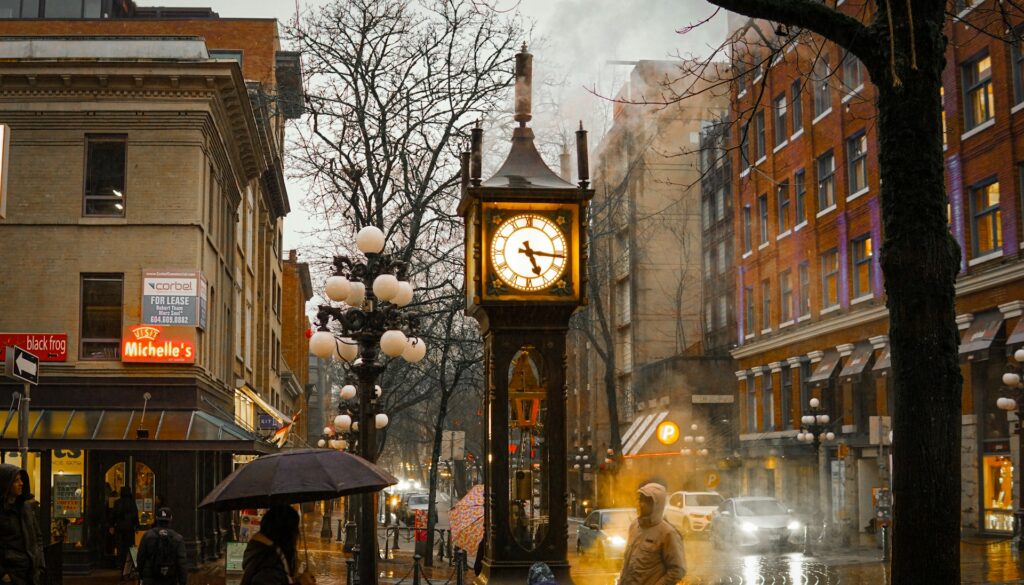
On Sunday, November 1, 2026, most of British Columbia will skip the usual “fall back” and keep its clocks exactly where they are. It is the final step in the province’s move to permanent daylight saving time, and the start of a single year-round time zone called Pacific Time.
What is changing
The new time zone is called Pacific Time, abbreviated PCT, and it replaces the old PST and PDT labels.
B.C. moved its clocks forward for the last time on March 8, 2026. The new time zone is called Pacific Time, abbreviated PCT, and it replaces the old PST and PDT labels. It sits seven hours behind UTC (UTC-7), the same offset Metro Vancouver has used every summer. The province says the goal is steadier sleep and school routines, more usable evening light in winter, and fewer scheduling headaches. The decision followed a 2019 public survey in which 93 percent of 223,000 respondents backed year-round daylight time.
For most people in Metro Vancouver, that means nothing to do on Sunday. Your clocks stay put.
What to do and when
| When | What to do |
|---|---|
| Before Sunday | Update your phone and computer, and keep “set time zone automatically” turned on. Windows users should install the October update and choose “Pacific Time (British Columbia)”. |
| Sunday, November 1 | Do not turn clocks back. If an older clock, smart plug, or appliance falls back by itself, move it forward an hour. |
| From Monday, November 2 | Check calendar invites, especially recurring meetings created in other time zones. If an invite looks an hour off, ask the organizer to resend it. |
| Sunday, March 14, 2027 | U.S. clocks spring forward and Vancouver is back in sync with Seattle. |
Google Calendar is showing some B.C. users a banner offering to move events an hour earlier. The one-click fix appears on the web version only, not in the Android or iPhone apps, so review important events manually.
What it means for your plans
Evenings are brighter, mornings are darker. In the middle of winter, the sun will set after 5 p.m. instead of around 4 p.m., which is good news for after-work walks, seawall runs, and evening events. The trade-off is a late sunrise, around 8:45 a.m. in late December, so plan early commutes and morning workouts accordingly.
Evenings are brighter, mornings are darker.
Vancouver is one hour ahead of Seattle until March. Washington, Oregon, and California still fall back on November 1. If you are heading south for a game, concert, or shopping trip, double-check start times and border plans.
Vancouver is one hour ahead of Seattle until March.
Calgary is one hour ahead of Vancouver all year. Alberta is also moving to permanent daylight time on November 1, so the gap between the two provinces now stays at one hour in every season.
Alberta is also moving to permanent daylight time on November 1,
A few B.C. communities are different. Cranbrook, Fernie, Kimberley, Golden, Invermere, and other East Kootenay towns stay on Mountain Time year-round (UTC-6), an hour ahead of Vancouver. Dawson Creek, Fort St. John, and the Peace region already use UTC-7, so they match Pacific Time.
Bottom line
Update your devices, skip the clock change on Sunday, and keep the one-hour gaps with Seattle and Calgary in mind when booking trips or events. Questions can go to Service BC at 1-800-663-7867.