



Vancouver has a reputation, and it is not an unearned one. Housing alone can eat up more than half of a typical household’s income here, and by the time groceries, transit, and everyday extras are added in, it is easy to feel like your paycheque disappears before the month is even half over.
Here is the part that gets missed in most conversations about the cost of living: while housing is largely outside your day-to-day control, a surprising number of your other expenses are not. Museums, movies, swimming, groceries, and entertainment can all be enjoyed in Metro Vancouver for a fraction of the “sticker price,” if you know where to look. Financial wellness is not only about how much you earn. It is just as much about how deliberately you spend what you already have, and Metro Vancouver happens to be full of free and low-cost options for people willing to do a little homework.
This guide pulls together the best money-saving strategies across culture, recreation, food, and shopping, all specific to Metro Vancouver. Bookmark it, because most of these deals are ongoing.
Museums & Art Galleries
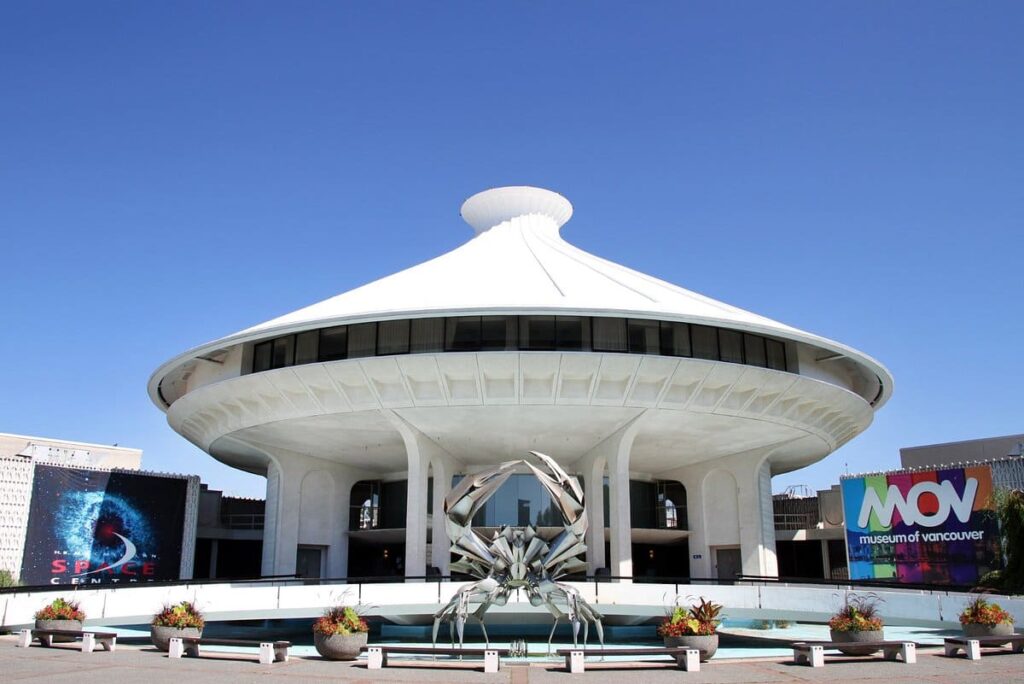
Culture does not have to come with a $30 admission fee. Several of Metro Vancouver’s museums and galleries offer free or pay-what-you-can access on a recurring basis, most notably the Vancouver Art Gallery’s Free Friday evenings.
For a complete, regularly updated breakdown of which institutions offer free or discounted admission and on what schedule, see our full guide: How to Experience Vancouver Museums & Art Galleries for Free or Pay-What-You-Can Every Month.
The short version: check the calendar before you go, since free admission windows are often limited to specific evening hours or one day a month, and they can draw a crowd. Arriving early is generally the best strategy.
Cinema
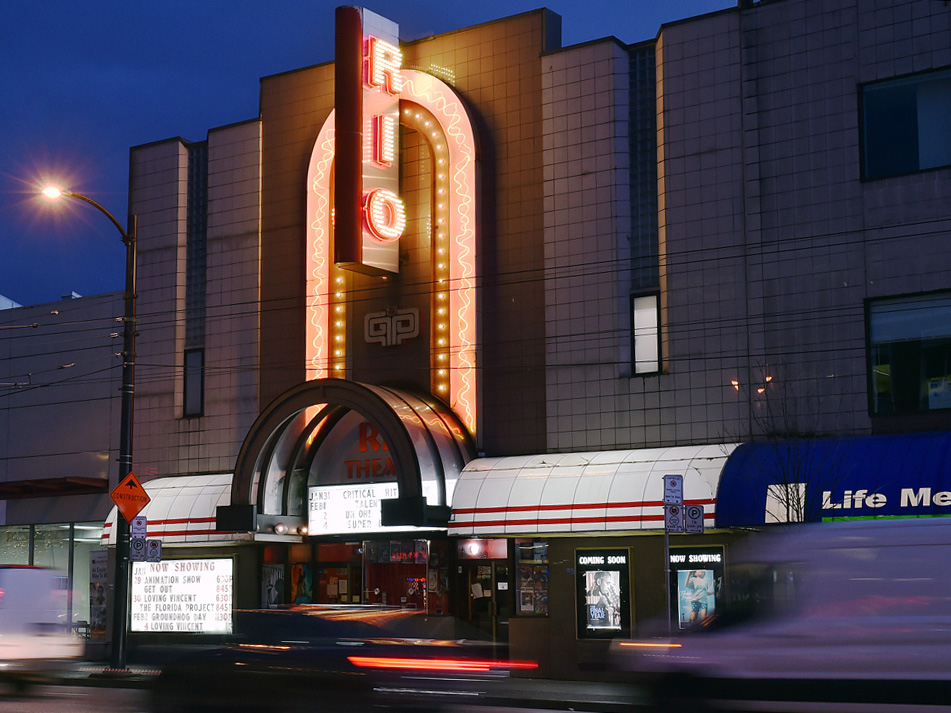
news.Rio Theatre
Corinne Lea, manager of the Rio Theatre on Broadway.
photo: Dan Toulgoet
A night at a mainstream multiplex adds up fast once you factor in tickets, popcorn, and drinks for the whole family. Metro Vancouver has a genuine alternative in its independent and repertory cinema scene, led by the Rio Theatre in East Vancouver, a restored 1938 art-deco venue that mixes film screenings with live events and has a reputation for being considerably more affordable than a typical Cineplex outing. It is a short walk from the Commercial-Broadway SkyTrain station, which also saves you the cost of downtown parking.
A few Cineplex-operated venues, including Fifth Avenue Cinemas and the Park Theatre, lean more toward art-house and independent programming than blockbuster releases, which is worth knowing if you are looking for something other than the latest franchise sequel.
Beyond choosing the right venue, there are several deal-stacking tactics worth knowing, including seasonal gift card bonuses, membership discounts through Costco and BCAA, and free outdoor movie screenings that pop up across Metro Vancouver parks every summer. We cover all of this in detail in our Ultimate Movie Guide for Families, including a theatre-by-theatre price comparison.
Sports & Recreation
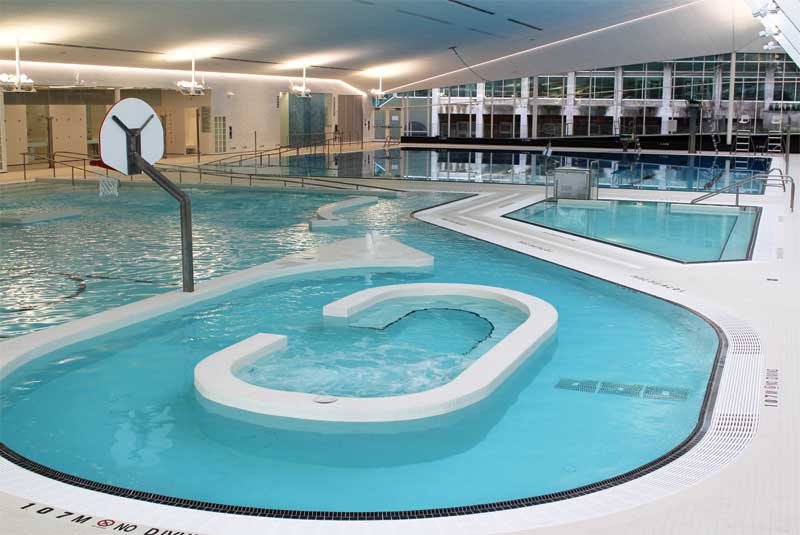
Swimming is one of the best-kept secrets in Metro Vancouver’s budget recreation scene. Nearly every city in the region runs some version of a “toonie” or “loonie” swim, where admission drops to one or two dollars during specific evening or weekend windows. These sessions are typically less crowded than regular public swim times too, since fewer people know about them.
A few confirmed examples, current as of this writing:
Edmonds Community Centre Pool, Burnaby
$1 admission every Monday after 7 p.m.
C.G. Brown Pool, Burnaby
$1 admission on Friday nights, 6:30 to 8 p.m.
Rocky Point Pool and Westhill Pool, Port Moody
$2 toonie swim every night, 6 to 8 p.m.
Hume Park Pool and Moody Park Pool, New Westminster
Free admission on weekends
Hyde Creek Recreation Centre, Port Coquitlam
No dollar swim, but a flat $12 family rate regardless of family size, which works out cheaper than paying per person almost anywhere else in the region
Vancouver Park Board outdoor pools
Several run seasonal Toonie or Loonie swim sessions during the summer season. See our Ultimate Guide to Metro Vancouver’s Best Outdoor Pools for the full seasonal schedule, pricing, and amenities at each location.
If you are a low-income Vancouver resident, it is also worth looking into the City of Vancouver’s Leisure Access Program, which provides 100 percent free admission to Park Board recreation facilities for enrolled residents, applied automatically through your OneCard.
A word of caution: these schedules and prices change seasonally, and sometimes without much notice. Pools shift their public swim times around lesson schedules, staffing, and maintenance closures constantly. Before making the trip, call the specific community centre directly to confirm current pricing and hours, and while you have them on the phone, ask what other promotions or low-cost programs they currently offer. Many centres run additional deals, from discounted skate sessions to school-based free-admission passes, that never make it onto a province-wide list like this one. Burnaby maintains a particularly useful and current Free and Low-Cost Activities page worth checking directly.
Food & Drinks
Food is one of the largest and most controllable categories in any household budget, and Metro Vancouver has a genuinely useful ecosystem of apps and stores built around reducing food costs and food waste.
Apps that pay off almost immediately
TooGoodToGo connects you with surplus food from local bakeries, grocery stores, and chains including Pizza Hut and Tim Hortons at a steep discount, sold as “surprise bags” near the end of the business day.
Flashfood partners with Real Canadian Superstore locations to sell near-expiry produce and grocery items at a discount. Browse available deals in the app, then bring your confirmation to the customer service desk to collect your order.
Food Hero offers a similar model through Safeway locations, letting you claim discounted surplus items before they would otherwise be thrown out.
All three apps are genuinely worth the five minutes it takes to set up, especially if you already shop at any of the participating chains.
Cheaper supermarket alternatives
If you are used to shopping at Real Canadian Superstore or Safeway, it is worth comparing prices at their lower-cost counterparts, including No Frills and Rice World in place of Superstore, and FreshCo in place of Safeway. Prices and selection vary by neighbourhood, so it is worth doing a side-by-side comparison on your own regular grocery list before fully switching.
| Instead of | Try | What to expect |
|---|---|---|
| Real Canadian Superstore | No Frills | Same parent company, stripped-down store experience, generally lower prices |
| Safeway | FreshCo | Discount grocery banner, frequent flyer deals |
| Larger chain supermarkets | Rice World | Often cheaper for produce and Asian grocery staples |
Happy hours
Many Metro Vancouver restaurants and bars run happy hour specials on food and drinks during off-peak hours, typically weekday late afternoons. Timing a meal out around happy hour pricing can meaningfully cut the cost of eating out without sacrificing the experience.
Outdoor & Free Recreation
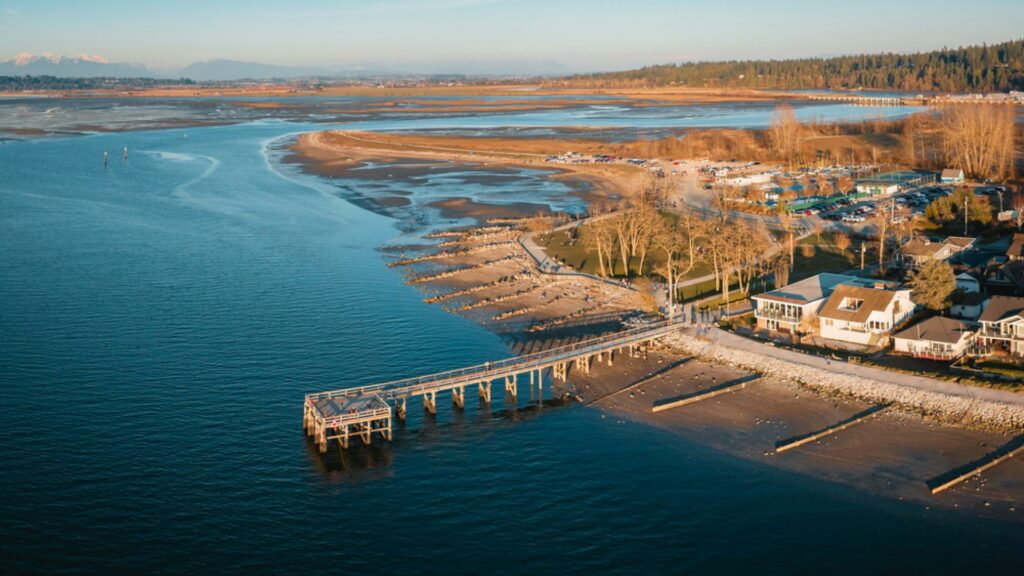
Some of Metro Vancouver’s best attractions do not charge admission at all. The Stanley Park Seawall remains the single best free activity in the city, a paved 9-kilometre loop around the park’s perimeter with continuous ocean and mountain views, alongside 27 kilometres of forested interior trails that see a fraction of the Seawall’s foot traffic. We cover the full layout, parking, and lesser-known trail options in our Ultimate Guide to Stanley Park.
Beyond Stanley Park, the region has an enormous amount of free outdoor recreation once you know where to look:
Beaches
English Bay, Kitsilano Beach, and Ambleside Park in West Vancouver are all free to access, with washrooms, playgrounds, and seasonal lifeguards included. Our Best Beaches in Metro Vancouver guide breaks down the full list, including quieter alternatives to the busiest spots.
Hiking trails
From easy, stroller-friendly paths to genuine backcountry routes, Metro Vancouver’s trail network costs nothing beyond transportation to the trailhead. See our Ultimate Guide to Hiking in Metro Vancouver for a full breakdown by difficulty.
Tennis, basketball, and volleyball courts
Vancouver has more than 180 public tennis courts across over 100 parks, all free and first-come, first-served, with a 30-minute play limit if others are waiting. Popular spots include the courts near Stanley Park’s Beach Avenue entrance, Lost Lagoon, and Kitsilano Beach. Free basketball courts can be found at Trout Lake and Kitsilano, and Kitsilano Beach and Jericho Beach both have public volleyball courts. Some Vancouver courts convert to paid book-to-play format through Tennis BC during the summer season, so if a specific court matters to you, it’s worth confirming its status before heading out.
Biking
The Seawall and its connecting greenways are free to bike, and combined with a bike-share membership or your own bike, cycling is one of the cheapest ways to see the city while doubling as free transportation. Our Ultimate Guide to Biking in Vancouver covers routes, rentals, and local tips.
Transit
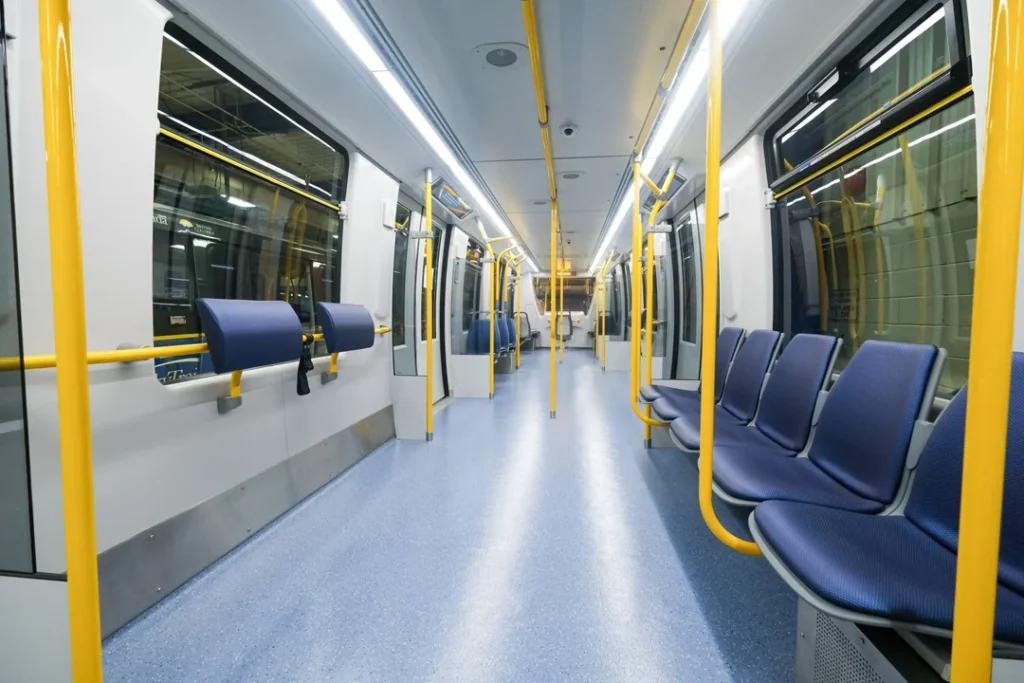
Getting around Metro Vancouver without a car is not only better for your budget than owning one, it is genuinely realistic given how much of the region is connected by SkyTrain, SeaBus, and bus. Car ownership in Vancouver comes with some of the highest insurance, parking, and fuel costs in Canada, so even occasional transit use adds up to meaningful savings.
As of the most recent TransLink fare increase on July 1, 2026, here is what to expect:
Single adult fare (Compass Card stored value)
$2.85 for one zone, $4.20 for two zones, $5.40 for three zones
Single adult fare (cash)
Noticeably more expensive than Compass stored value, since TransLink prices cash fares higher to encourage Compass Card use
Monthly pass
$117.20 for one zone, $156.70 for two zones, $211.65 for three zones
Concession monthly pass
$66.95 for all zones, for eligible youth, senior, and disability fares
DayPass
$12.55 for unlimited travel across all zones for one calendar day
A few practical ways to cut your transit costs further:
Fares drop to a flat one-zone price after 6:30 p.m. on weekdays and all day on weekends and statutory holidays, regardless of how many zones you actually travel through. If your trip timing is flexible, planning around these off-peak windows can meaningfully reduce what you pay.
If you commute on weekdays, compare your monthly pass cost against what you would spend on stored value for the same number of trips. As a rough rule of thumb, divide the monthly pass price by the number of working days in the month to get your break-even cost per trip, then compare that to your usual one-way fare.
Children aged 12 and under ride free on all TransLink services.
For anyone who can manage some trips by bike instead, especially shorter ones, biking the Seawall or connecting greenways costs nothing at all and often takes a similar amount of time to transit once you factor in walking to and from stations.
Secondhand & Resale Shopping
Buying used is one of the most reliable ways to cut costs on furniture, electronics, kids’ items, and general household goods. Facebook Marketplace, eBay, and Craigslist remain the three biggest platforms for secondhand shopping in Metro Vancouver, and Buy Nothing groups on Facebook are worth joining for genuinely free items, particularly for anything related to moving, downsizing, or kids outgrowing gear.
For furniture and toys specifically, liquidation stores are an underused resource that can offer major retail brands at a steep discount. We cover the best of them in our Ultimate Guide to Liquidation Stores in Metro Vancouver.
Books
Metro Vancouver’s public library systems are free to join and give you access to physical books, e-books, audiobooks, and often museum or attraction passes through community pass programs. For anything you would rather own outright, the region has a healthy selection of used bookstores that are typically a fraction of retail price for the same title.
Clothing
Thrift stores across Metro Vancouver offer a genuine alternative to fast fashion at a much lower price point, and the selection quality varies significantly by neighbourhood and by day, so it is worth rotating through a few different locations rather than relying on just one.
The Bottom Line
None of these tips will change your rent. But stacked together, a few dollar-swim nights, a grocery app or two, a free museum evening, and a secondhand furniture find can add up to hundreds of dollars back in your pocket every month, without meaningfully changing your quality of life. The households that thrive in an expensive city like Vancouver are rarely the ones earning the most. They are the ones who have quietly figured out how to spend less on the things that do not matter, so there is more left over for the things that do.