

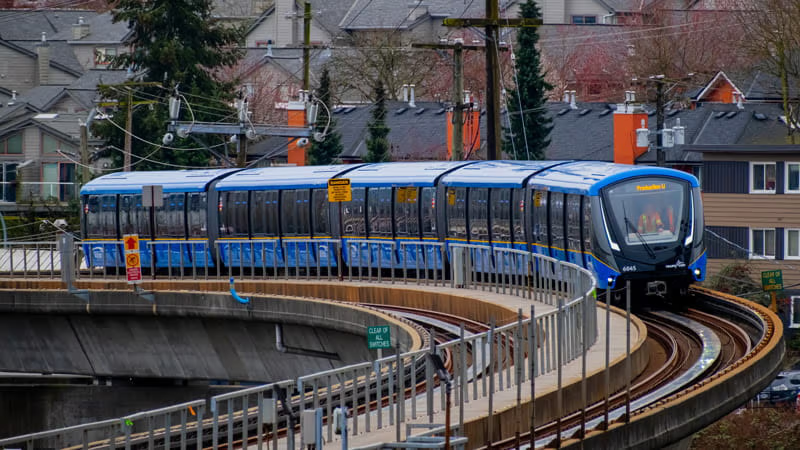
Forget the stress of parking and traffic—this expert guide decodes every aspect of the system, from the automated SkyTrain to the scenic SeaBus, ensuring visitors and new residents can travel like long-time Vancouverites.
TLDR: Your Quick Transit Cheat Sheet
Metro Vancouver is powered by TransLink, utilizing the fully automated SkyTrain, an extensive bus network (including North America’s second-largest trolley fleet), and the iconic SeaBus ferry.
- Payment Optimization: The cardinal rule is to always use a Compass Card or contactless credit/debit tap. Cash fares paid on buses do not transfer to SkyTrain or SeaBus, requiring riders to pay twice for an intermodal journey.
- Zone Simplicity: Buses are always a 1-Zone fare. All travel across the entire system simplifies to a flat 1-Zone fare after 6:30 p.m. on weekdays and all day on weekends and statutory holidays.
- Tap Strategy: Remember to tap in and out on SkyTrain, SeaBus, and West Coast Express to ensure accurate zone deduction. Tap in only on buses.
- Plan trips accurately and dynamically using the official TransLink Trip Planner and the real-time Next Bus feature.

TransLink—The Foundation of Metro Vancouver Travel
TransLink, formally recognized as the South Coast British Columbia Transportation Authority, is the statutory authority responsible for planning, financing, and managing the integrated transportation network across Metro Vancouver. While its main operating facilities are headquartered in New Westminster, TransLink oversees public transit, major regional roads, and key bridges. The authority’s commitment to growing the network is evident in the dramatic increase in system coverage and ridership, which has more than doubled over the past two decades.
Meet the Fleet: SkyTrain, Bus, SeaBus, and More
TransLink delivers its services through a portfolio of operating companies and contractors that manage diverse transportation modes. Understanding these key modes is the first step to navigating the region:
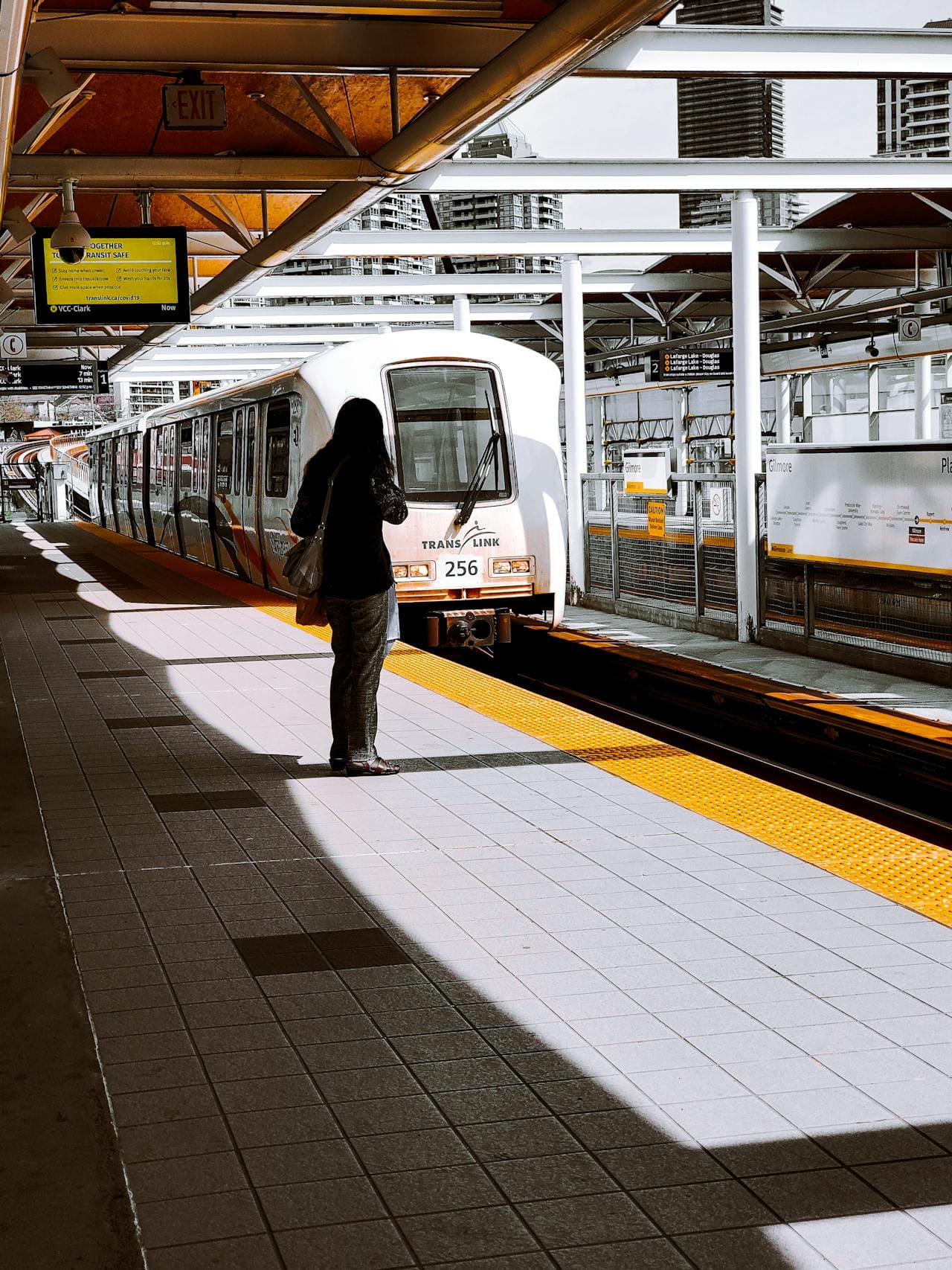
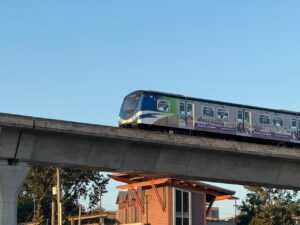
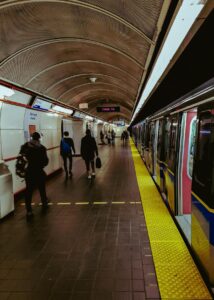
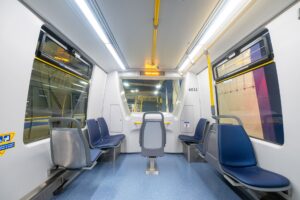
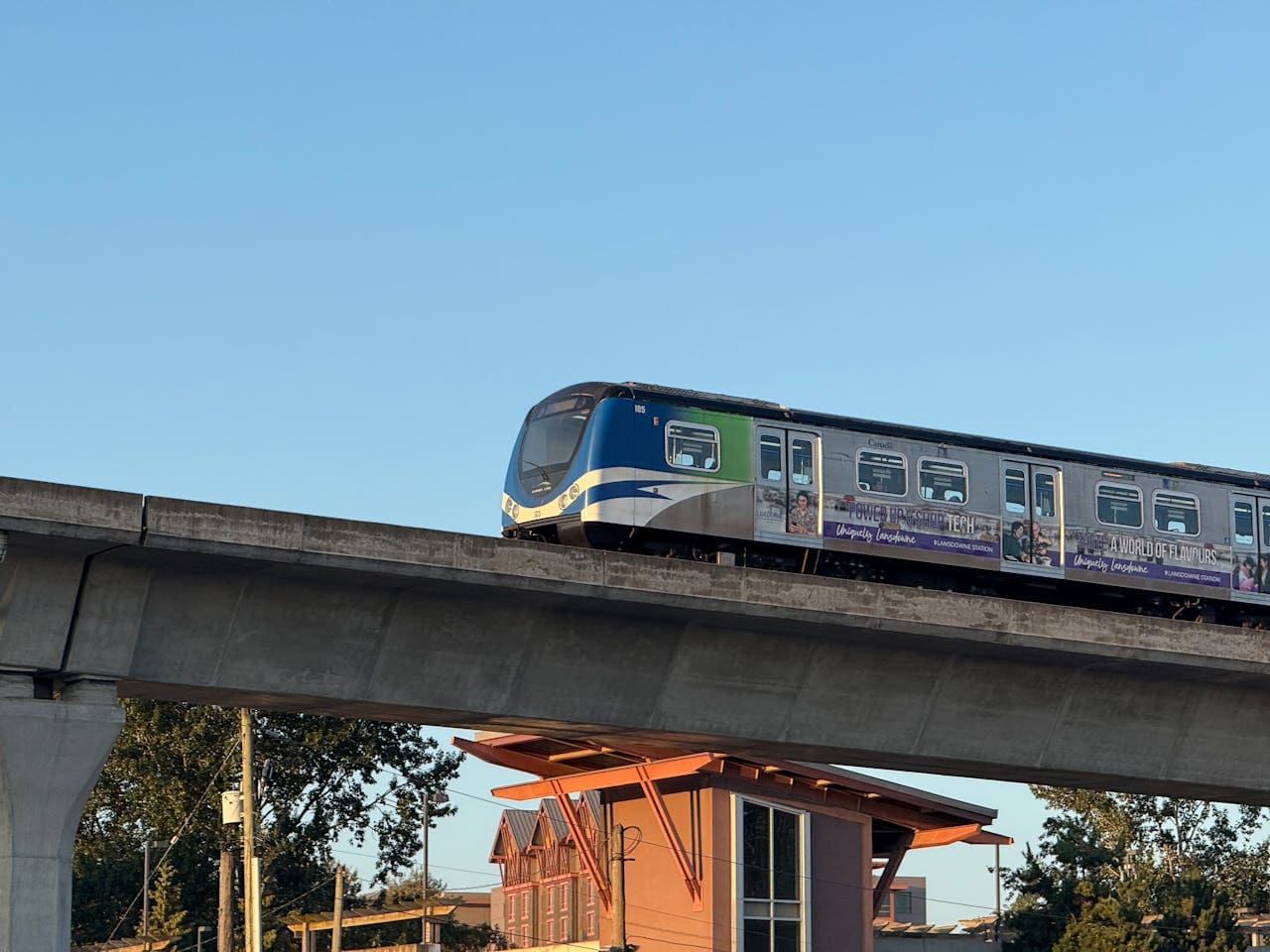
- SkyTrain: This fully-automated rapid rail system is the backbone of regional transit, offering fast, convenient travel along three lines. The British Columbia Rapid Transit Company (BCRTC), a TransLink subsidiary, operates the Expo and Millennium Lines. The Canada Line, however, is operationally independent and run by a private contractor, ProTrans BC (a division of SNC-Lavalin).
- Buses: The vast network of bus services, which accounts for over 96% of the region’s bus service, is operated by the Coast Mountain Bus Company (CMBC). Buses provide essential last-mile connectivity and community links across specific areas throughout the day.
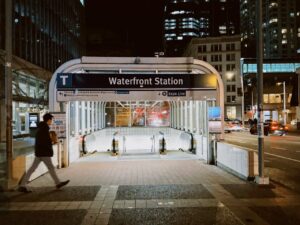
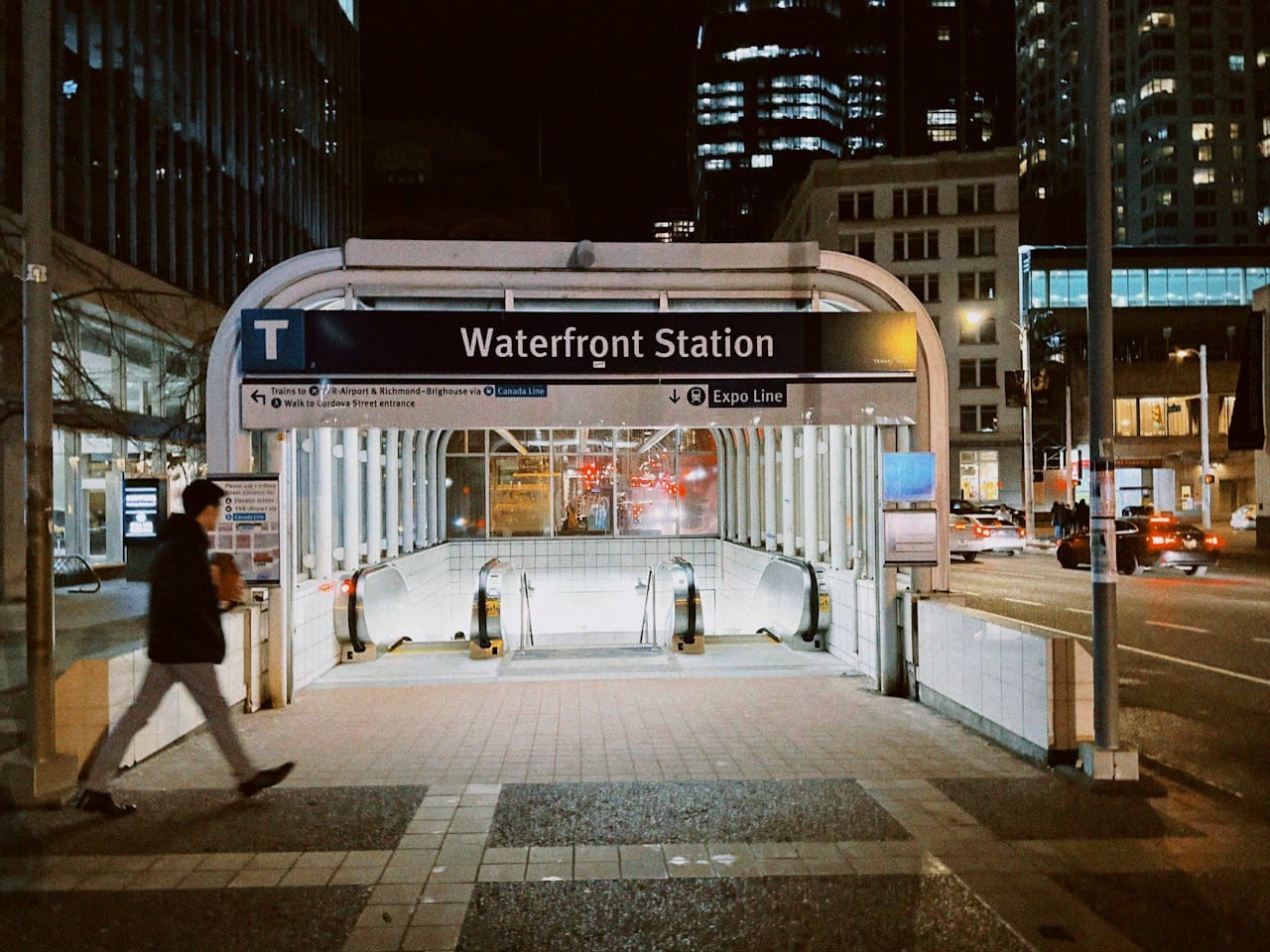
- SeaBus: A unique and vital passenger ferry service that crosses the Burrard Inlet. It travels between Waterfront Station in Downtown Vancouver and Lonsdale Quay in North Vancouver.
- West Coast Express (WCE): A commuter rail service that operates during peak hours, connecting Downtown Vancouver to outlying areas stretching as far east as Mission City.
- HandyDART: A critical door-to-door shared-ride service designed specifically for customers who require assistance beyond what conventional public transit can provide.
A Legacy of Innovation: Fun Facts & Future Connections
The modern transit landscape in Vancouver is rooted in innovation. The SkyTrain, which debuted during the 1986 World Exposition (Expo 86), was initially conceived to showcase “Advanced Rapid Transit” technology. This adoption fundamentally shaped the city’s approach to mass urban development by prioritizing high-capacity, automated rail systems in core corridors.
A nuance of the system lies in the historical differences in its core technology. The original Expo and Millennium Lines utilize 650 V DC linear induction motors (LIMP) , whereas the newer Canada Line, opened in 2009, uses conventional traction motors running on 750 V DC. This operational and technological dichotomy means the Canada Line operates independently and has no physical track connection to the Expo/Millennium Lines. This explains minor differences in average operational speed (40 km/h vs. 32 km/h) and separate maintenance protocols, a complexity underlying the transit experience.
Beyond the rail, Metro Vancouver also boasts significant environmental credentials on the street. Vancouver maintains the second-largest trolley bus network in North America, with a substantial fleet of 262 trolley-electric vehicles covering 315 km of routes. This long-standing commitment to electric, quiet surface transit provides a historical complement to TransLink’s modern fleet, which includes CNG, hybrid, and newer battery-electric buses.
Looking ahead, TransLink is dedicated to expanding regional capacity. Current infrastructure investments are focused on high-priority rapid transit projects, including the highly anticipated Broadway Subway Project (a Millennium Line extension) and the Surrey-Langley SkyTrain extension. These projects, alongside exploring new methods like Bus Rapid Transit (BRT) and the potential Burnaby Mountain Gondola, confirm that transportation strategy is deeply integrated with the region’s sustainable growth model, connecting the urban core to crucial economic and residential hubs.
Mastering the Compass System and Fares—The Cost of Travel
The TransLink system relies on the electronic Compass Card, which is designed to simplify payments and ensure seamless transfers across multiple modes.
Navigating the Three-Zone System: Peak vs. Off-Peak Travel
TransLink uses a 3-Zone system to determine fares for the SkyTrain, SeaBus, and West Coast Express. The fare charged depends on the number of zone boundaries crossed during a trip, as well as the time and day of travel.
- Bus Simplicity: All trips taken exclusively on buses and HandyDART are always priced as a 1-Zone fare, regardless of the time of day or the distance traveled.
- The System-Wide Discount: To encourage evening and weekend usage, all trips across the entire system—including SkyTrain and SeaBus travel—are charged at the flat 1-Zone rate when starting after 6:30 p.m. on weekdays, and all day on weekends (Saturday, Sunday) and statutory holidays.
- YVR Airport AddFare: Journeys originating from the three Sea Island stations (YVR–Airport, Sea Island Centre, or Templeton) incur an additional $5 YVR Airport AddFare. This charge is not applied to travel to these stations. For instance, tourists or shoppers traveling from Downtown Vancouver to the McArthur Glen Outlet Centre (Templeton Station) and returning without leaving the island avoid the initial AddFare, highlighting a travel optimization point based on the fare boundary rule.
The Compass Card: Your Key to Seamless Travel and Savings
For most riders, the Compass Card is the optimal payment method. Purchased for a $6 refundable deposit, the card offers discounted fares (Stored Value rates) compared to single-use cash tickets or contactless payments. The Compass Card can be loaded with Stored Value, DayPasses, or Monthly Passes.
- Purchase Locations: Compass Cards and tickets are widely available at Compass Vending Machines (CVMs) located at all SkyTrain, SeaBus, and West Coast Express stations, as well as select Compass Retailers. Concession Cards (for seniors and youth) can only be purchased online, by phone, at Compass Retailers, or at the TransLink Customer Service Centre at Waterfront Station.
- Wearable Options: For maximum convenience, Compass Wristbands and Minis (wearables) are available for purchase exclusively at the TransLink Customer Service Centre at Waterfront Station.

Tap-to-Pay: The Convenient Adult Fare Option
For visitors seeking maximum convenience without the $6 deposit, TransLink accepts contactless debit and credit cards, including Interac Debit, American Express, Mastercard, and Visa, as well as mobile wallets like Apple Pay and Google Pay.
It is essential to understand the fee structure associated with this convenience. Tapping a contactless credit card or mobile wallet automatically charges the Single Adult Cash Fare rate, which is the highest price point available. This means that while Tap-to-Pay is easy, it is more costly than using Stored Value on a pre-loaded Compass Card. Riders must also ensure they use the same physical card or digital device (phone/watch) to tap in and tap out for their entire journey, as each device is treated as a unique payment method and is valid for only one rider.
Transfers and the 90-Minute Window
A key benefit of the electronic payment system is the seamless transferability it offers. A single fare purchase using a Compass Card, Compass Ticket, or contactless Tap-to-Pay provides a 90-minute transfer window across all modes of transit (Bus, SkyTrain, SeaBus, and HandyDART), starting from the moment of the first tap. West Coast Express services extend this window to 120 minutes.
However, riders must be acutely aware of a major limitation: the cash fare penalty. Cash fares are paid directly to the bus operator, who issues a paper transfer. This paper transfer is only valid for transferring to other buses and cannot be used to transfer onto the SkyTrain, SeaBus, or West Coast Express. This structural rule effectively discourages intermodal travel with cash, steering travelers toward electronic payments that provide auditable ridership data necessary for system planning and operation. Tourists, who frequently use cash, must heed this warning to avoid paying multiple fares for a single trip.
The following table summarizes the Adult Peak Hour fares:
Adult Peak Hour Fares & Payment Comparison
| Fare Type | 1 Zone | 2 Zones | 3 Zones | Notes |
| Compass Stored Value (SV) | $2.70 | $4.00 | $5.10 | Lowest per-trip rate; requires $6 refundable deposit. |
| Cash/Contactless Tap-to-Pay | Highest Single Fare | Highest Single Fare | Highest Single Fare | Convenient but costlier. Cash bus fare is non-transferable to rail. |
| DayPass (All Zones) | $11.95 | $11.95 | $11.95 | Best value for 3+ high-zone trips in one day. Not valid on WCE. |
The SkyTrain Network—Your High-Speed Guide to Metro Van

The SkyTrain is the engine of Metro Vancouver travel, recognized for its efficiency and speed. Since it is fully automated, the system provides remarkably frequent and reliable headways, often combining to offer service every 2–3 minutes during peak hours on major corridors.
Line Breakdown: Expo, Millennium, and Canada
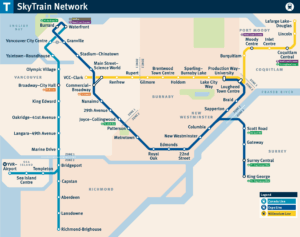
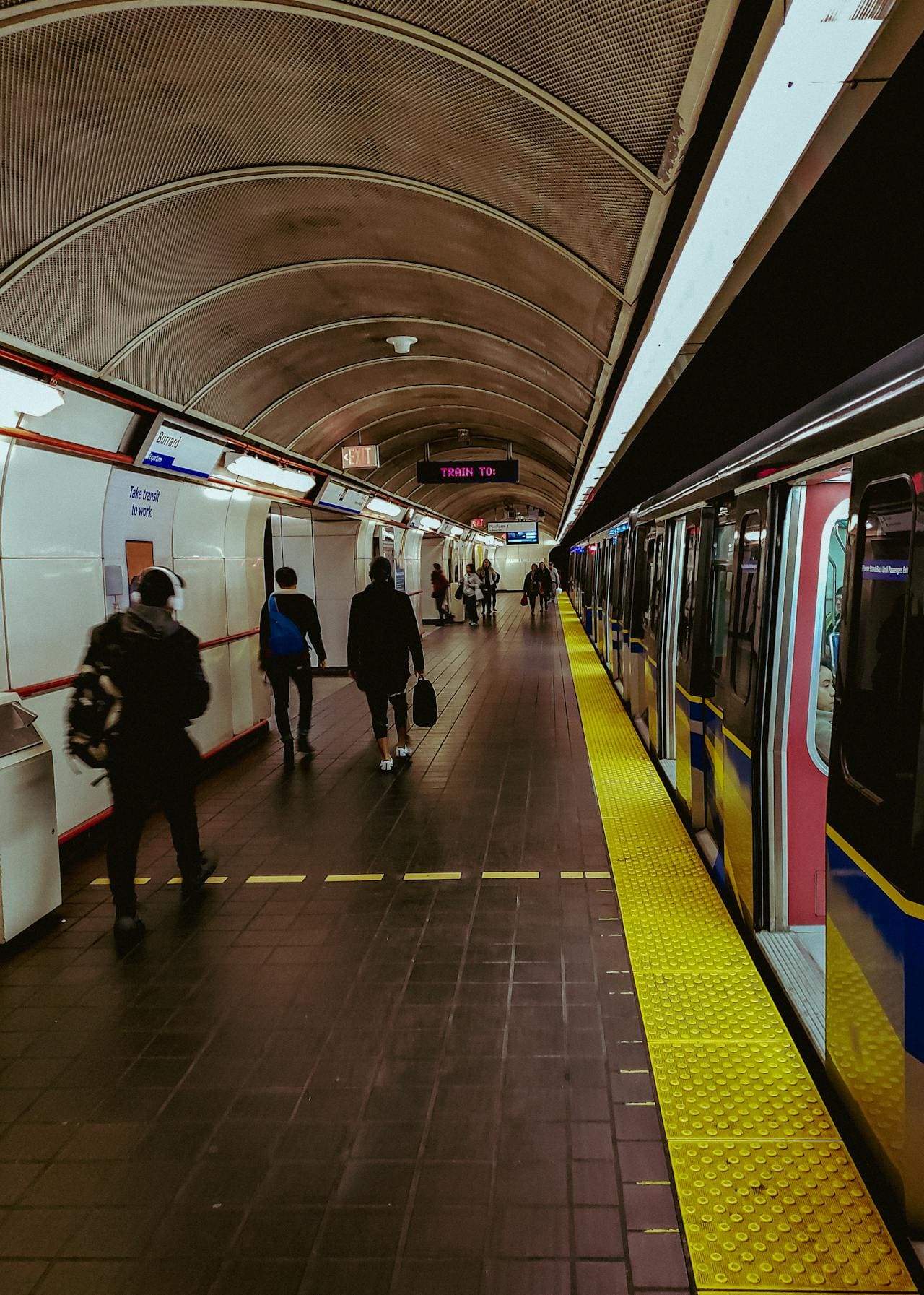
- The Expo Line: The system’s original line, it links Downtown Vancouver (Waterfront) through Burnaby and New Westminster to Surrey (King George Station). This line is critical for connecting the urban core with the region’s largest and fastest-growing municipalities.
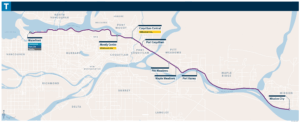
- The Millennium Line: This line primarily serves the northeast, linking Vancouver (VCC-Clark) to Burnaby, Port Moody, and Coquitlam (Lafarge Lake–Douglas). The line is currently undergoing a major extension west with the Broadway Subway Project, which will bring it closer to the University of British Columbia (UBC).
- The Canada Line: This line runs from Waterfront Station, traveling underground through Vancouver before branching to serve Richmond and Vancouver International Airport (YVR). Due to its distinct technology and separate operational structure, it functions independently of the other two lines.
Transit-Accessible Adventures: Must-See Stops for Every Explorer
The SkyTrain is not merely a tool for commuting; it is a platform for regional exploration. By utilizing transit, visitors gain rapid access to diverse economic, cultural, and leisure destinations across the entire Metro Vancouver region.
The system itself functions as a decentralized, accessible public museum. TransLink sponsors an Art and Culture Program, which embeds permanent visual art installations, performances, and the historic Busker Program directly into the transit experience. For example, stations like Main Street–Science World and Stadium–Chinatown host powerful public art series. The journey itself becomes an opportunity to engage with the region’s diverse cultural stories and local artistic talent.
The SkyTrain actively supports leisure and economic activity outside Vancouver proper. Stops like Metrotown, reachable in just 15 minutes from downtown , offer access to Metropolis at Metrotown, British Columbia’s largest shopping centre. This interconnectivity makes the entire Metro region feel accessible to residents and tourists alike.
The following table highlights key attractions reachable via the SkyTrain network:
SkyTrain Sightseeing: Top Stops for Active Explorers
| Station | SkyTrain Line(s) | Area/Municipality | Nearby Attractions |
| Waterfront | Expo, Canada, SeaBus | Downtown Vancouver | Gastown (Steam Clock, Historic Architecture), Canada Place, Convention Centre |
| Main Street–Science World | Expo | East Vancouver | Science World, False Creek Seawall, Major Public Art Installations |
| Metrotown | Expo | Burnaby | Metropolis at Metrotown (BC’s largest mall) |
| New Westminster | Expo, Millennium | New Westminster | New Westminster River Market, historic Downtown |
| Broadway–City Hall | Canada | Central Vancouver | Vancouver General Hospital, future core transfer point |
| Templeton | Canada | Sea Island (Richmond) | McArthur Glen Outlet Centre (Luxury shopping) |
Iconic Rides and Alternative Routes
While the SkyTrain dominates the rapid transit conversation, Metro Vancouver’s system offers several unique modes that are both practical and highly experiential.
The SeaBus Experience: The Best View for the Price of a Fare

The SeaBus is not just a ferry; it is one of Vancouver’s best-value sightseeing opportunities. For the minimal cost of a standard 1- or 2-Zone fare, riders enjoy a stunning 12-minute crossing of the Burrard Inlet. The voyage offers phenomenal photo opportunities of the Vancouver skyline, Stanley Park, and the North Shore mountains.
The SeaBus departs approximately every 15 minutes during peak hours and every 30 minutes during off-peak times. The North Vancouver terminus, Lonsdale Quay, is a destination in its own right. Riders disembark directly into the vibrant Lonsdale Quay Market and the adjacent Shipyards District. This waterfront area features a food hall, unique shopping, the Burrard Dry Dock Pier, and seasonal public amenities, making it a highly recommended activity for tourists.
Bus Basics and Vancouver’s Electric Advantage
The bus network, operated by Coast Mountain Bus Company, provides the most extensive and localized coverage across the region. It fills crucial gaps where rail lines do not reach, ensuring connectivity in residential and less-dense commercial areas.
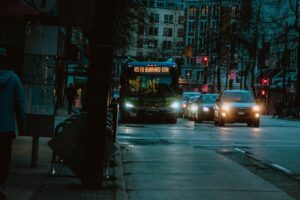
A significant point of pride for the region is its enduring commitment to electric mobility. The fleet includes 262 trolley-electric buses, making it the second-largest system of its kind in Canada and the United States. These vehicles, along with a modern mix of hybrid and compressed natural gas (CNG) buses, underscore the region’s long-term dedication to providing sustainable and relatively quiet urban mobility solutions. The bus system also simplifies the fare experience, operating exclusively under the 1-Zone fare structure, making local bus travel the most budget-friendly option.
Night Owls: Getting Home Safely with the NightBus District
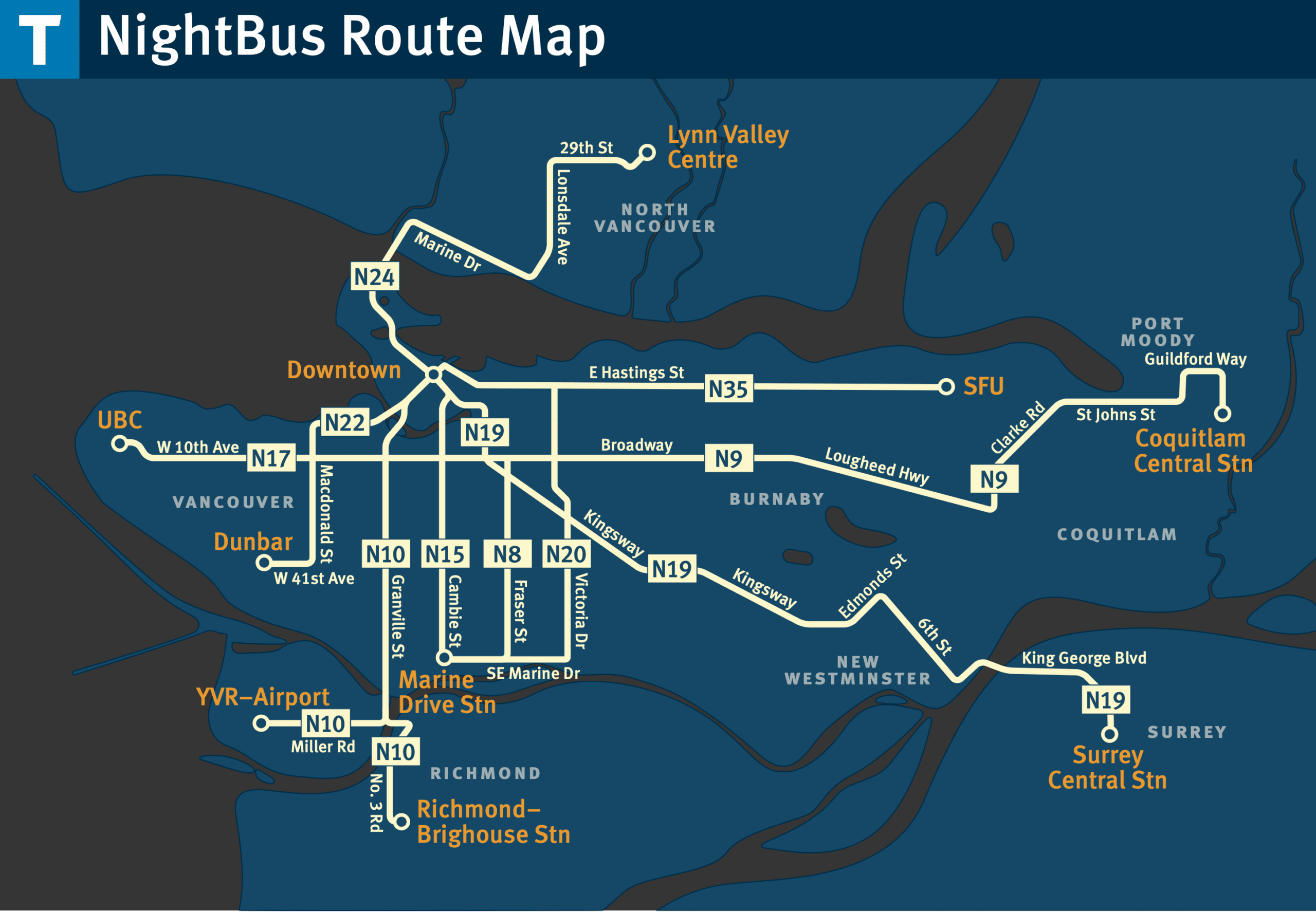
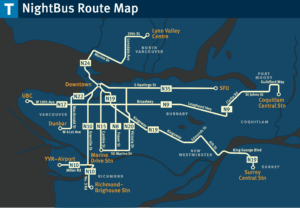
For those enjoying Vancouver’s late-night entertainment and dining, the NightBus service provides a safe and frequent travel alternative, operating seven nights a week. Service generally begins around 1:30 a.m., with buses leaving every 20 to 30 minutes.
The service is centralized at the designated NightBus District located at West Georgia and Granville Street in Downtown Vancouver, offering a well-lit and secure waiting area. The NightBus network features extensive routes (N-series) connecting major residential areas, including routes like the N17 (UBC), N9 (Coquitlam), and N19 (Surrey).
To enhance personal security during low-visibility hours, most bus routes offer a “Request a Stop” service between 9 p.m. and 5 a.m. This feature permits riders to request a drop-off at a point between two regular bus stops if they feel safer doing so. The implementation of designated NightBus routes and the “Request a Stop” feature demonstrates a systemic approach to addressing safety and accessibility concerns for late-night riders.
Essential Rider Tips, Tools, and Accessibility
Riding the TransLink system efficiently requires knowledge of both its technical tools and local environmental factors.
Insider Tips and Smart Travel Hacks
- Payment Optimization: If a rider plans to make multiple trips or travel across multiple zones during weekday peak hours, purchasing a DayPass for $11.95 is highly recommended, as the cost is quickly recouped after just three high-zone trips. For long-term use, the immediate savings offered by the Compass Card Stored Value rate quickly outweigh the $6 deposit.
- Active Integration: TransLink supports active transport. Riders can integrate cycling into their commute by utilizing secure Bike Parkades, which require Compass Card enrollment for access, as well as reserved Bike Lockers and standard outdoor racks at various stations.
- Prepare for Weather: Vancouver’s weather is often unpredictable. Riders should always be prepared with appropriate clothing, such as an umbrella or rain gear, especially when utilizing surface transit or making transfers between stations.
Planning Like a Pro: Schedules and Real-Time Alerts
Using official tools is critical for a smooth journey. Riders should rely on the official TransLink Trip Planner for accurate route mapping and the Next Bus service for real-time departure times. These tools are essential for mitigating unexpected delays and ensuring timely connections.
Furthermore, riders are strongly encouraged to sign up for personalized Transit Alerts. Because the system is dynamic and subject to quarterly service changes (typically in April, June, September, and December) , timely alert subscriptions are key to staying informed about major service disruptions, maintenance issues, or unexpected closures.
Accessibility and Active Transit Integration
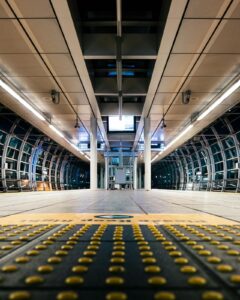
TransLink is committed to universal access. All SkyTrain stations are equipped with elevators to assist customers using wheelchairs or other mobility devices. The system accommodates various mobility aids through wide accessible fare gates, which measure 107 cm (42 in.) across, compared to the standard 62 cm (24 in.) gates.
However, riders relying on accessibility features must practice due diligence. Before a trip, it is advised to check TransLink Alerts or call Customer Information (604.953.3333) to verify that necessary elevators are not undergoing unexpected maintenance. Crucially, for safety reasons, riders are explicitly warned against using wheelchairs or scooters on escalators under any circumstances.
Ready to Tap In? Your Metro Vancouver Adventure Awaits!
Metro Vancouver’s TransLink system is engineered for exploration, serving as a gateway to cultural highlights, major retail centers, and scenic waterfront destinations. From the rapid-fire transit of the SkyTrain to the breathtaking views provided by the SeaBus, the entire region is interconnected and accessible.
By arming oneself with a Compass Card and utilizing the system’s payment flexibility—especially the lucrative 1-Zone discount window on evenings and weekends—riders can maximize their efficiency and minimize costs. TransLink’s commitment to community engagement, often demonstrated through initiatives like the “Next Stop Summer” program, which offers special discounts and passports for using transit to explore local attractions , proves that the system is designed to support not just the daily commute, but the adventurous spirit of the region.
Don’t just commute—explore! Grab a Compass Card, plan your journey using the official online tools, and start building an itinerary that takes you from the bustling historic streets of Gastown to the vibrant markets of Lonsdale Quay.



More Maps:
https://www.translink.ca/schedules-and-maps/transit-system-maps
Works cited
- Schedules and Maps | TransLink, accessed October 23, 2025, https://www.translink.ca/schedules-and-maps
- Trolley buses in Vancouver – Wikipedia, accessed October 23, 2025, https://en.wikipedia.org/wiki/Trolley_buses_in_Vancouver
- Transferring and AddFare – TransLink, accessed October 23, 2025, https://www.translink.ca/transit-fares/transferring-and-addfare
- Pricing and Fare Zones – Vancouver – TransLink, accessed October 23, 2025, https://www.translink.ca/transit-fares/pricing-and-fare-zones
- A Complete Guide to Public Transit in Vancouver – Century Plaza Hotel, accessed October 23, 2025, https://www.century-plaza.com/blogs/visitors-guide-to-public-transit-in-vancouver
- 10 tips for taking transit in Metro Vancouver to and from events – The Buzzer blog – TransLink, accessed October 23, 2025, https://buzzer.translink.ca/2021/08/10-essential-tips-and-tricks-for-commuting-to-and-from-live-events/
- Navigate Vancouver Like a Local: Public Transportation, accessed October 23, 2025, https://ywcavan.org/hotel/vancouver/navigate-vancouver-local-public-transportation
- TransLink (British Columbia) – Wikipedia, accessed October 23, 2025, https://en.wikipedia.org/wiki/TransLink_(British_Columbia)
- Operating Companies – TransLink, accessed October 23, 2025, https://www.translink.ca/about-us/about-translink/operating-companies
- TransLink: Home, accessed October 23, 2025, https://www.translink.ca/
- Our History | About | BC Transit, accessed October 23, 2025, https://www.bctransit.com/about/history/
- Visitor’s guide to public transit – City of Vancouver, accessed October 23, 2025, https://vancouver.ca/streets-transportation/visitors-guide-to-public-transit.aspx
- History of the SkyTrain Facts for Kids, accessed October 23, 2025, https://kids.kiddle.co/History_of_the_SkyTrain
- Rapid Transit Projects | TransLink, accessed October 23, 2025, https://www.translink.ca/plans-and-projects/projects/rapid-transit-projects
- SkyTrain (Vancouver) – Wikipedia, accessed October 23, 2025, https://en.wikipedia.org/wiki/SkyTrain_(Vancouver)
- Canada to extend life of Metro Vancouver electric trolley buses, accessed October 23, 2025, https://www.vancouverisawesome.com/highlights/canada-to-extend-life-of-metro-vancouver-electric-trolley-buses-7960189
- Transit for New Riders – English | TransLink, accessed October 23, 2025, https://www.translink.ca/rider-guide/transit-for-new-riders/english
- Visiting Vancouver | TransLink, accessed October 23, 2025, https://www.translink.ca/rider-guide/visiting-vancouver
- Where to Buy Compass Cards and Passes – TransLink, accessed October 23, 2025, https://www.translink.ca/transit-fares/where-to-buy
- More money for SkyTrain, SeaBus, bus trips: Vancouver transit fares increase July 1, accessed October 23, 2025, https://www.vancouverisawesome.com/local-news/more-money-for-skytrain-seabus-bus-trips-vancouver-transit-fares-increase-july-1-10881074
- Find a Retailer – Compass Card, accessed October 23, 2025, https://www.compasscard.ca/FindRetailer
- How to use contactless payments – Translink, accessed October 23, 2025, https://translink.com.au/tickets-and-fares/contactless-payments/how-to-use-contactless-payments
- SkyTrain Schedules | TransLink, accessed October 23, 2025, https://www.translink.ca/schedules-and-maps/skytrain
- Next Stop Summer | TransLink, accessed October 23, 2025, https://www.translink.ca/rider-guide/next-stop-summer
- Art and Culture Program – Vancouver – TransLink, accessed October 23, 2025, https://www.translink.ca/rider-guide/art-and-culture-program
- Metro Vancouver’s best spots – just a transit ride away! – TransLink, accessed October 23, 2025, https://www.translink.ca/-/media/translink/documents/rider-guide/next-stop-summer/next-stop-summer—detailed-passport.pdf
- Activities and Attractions Along Vancouver’s SkyTrain, accessed October 23, 2025, https://ywcavan.org/hotel/vancouver/activities-and-attractions-along-vancouvers-skytrain
- Lonsdale Quay & The Shipyards Guide (North Vancouver by SeaBus), accessed October 23, 2025, https://www.tourbytransit.com/vancouver/things-to-do/lonsdalequay
- COMPLETE Guide to Visiting Lonsdale Quay in Vancouver + Things to do!, accessed October 23, 2025, https://destinationlesstravel.com/lonsdale-quay-in-vancouver/
- Accessing Public Transit | TransLink, accessed October 23, 2025, https://www.translink.ca/rider-guide/transit-accessibility/accessing-public-transit