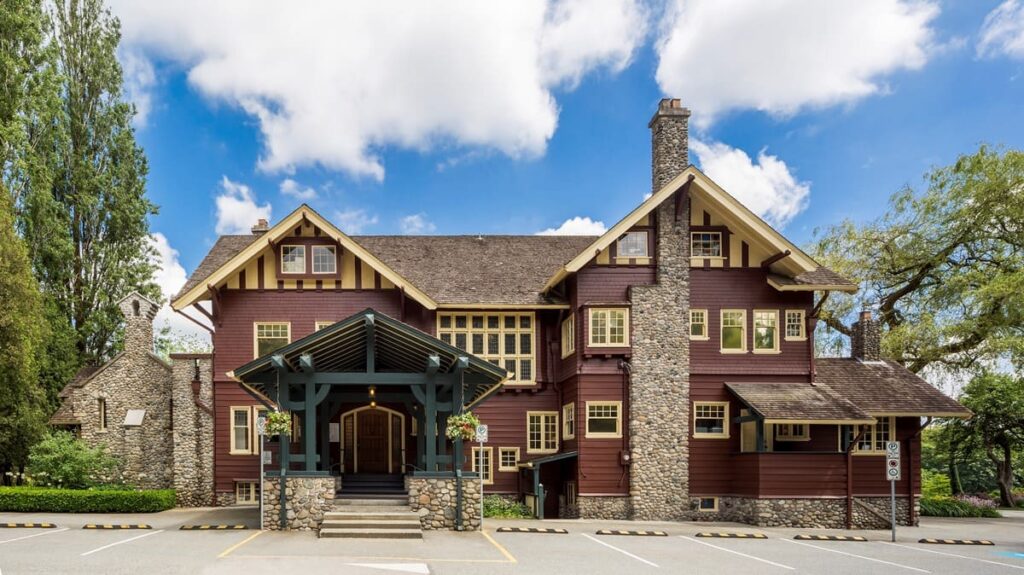


- TLDR: Quick Guide to Vancouver’s Must-See Venues
- 1. The Global Landmark: Vancouver Art Gallery (VAG)
- 2. Window to the Coast: Museum of Anthropology (MOA)
- 3. Telling Our Story: Museum of Vancouver (MOV)
- 4. Honoring Northwest Coast Art: Bill Reid Gallery of Northwest Coast Art (BRG)
- 5. Free and Cutting-Edge: Contemporary Art Gallery (CAG)
- 6. Ignite Your Curiosity: Science World
- Plan Your Visit: Essential Practical Details (Tips & Tricks)
- Ready to Explore?
Metro Vancouver stands as a dynamic global metropolis, and its cultural institutions serve as both critical repositories of regional history and vital platforms for international dialogue. Before embarking on any cultural exploration within the region, it is important to acknowledge that these institutions carry out their work on the traditional, unceded territories of the xʷməθkʷəy̓əm (Musqueam), Sḵwx̱wú7mesh (Squamish), and səlilwətaɬ (Tsleil-Waututh) Nations.
The city’s cultural infrastructure has been strategically developed, offering distinct experiences based on location. The major art and contemporary institutions located downtown—including the Vancouver Art Gallery (VAG), the Bill Reid Gallery (BRG), and the Contemporary Art Gallery (CAG)—benefit significantly from clustered proximity and direct SkyTrain access. This clustering allows these venues to cater to quick, flexible tourist itineraries, maximizing foot traffic and spontaneous visits. Conversely, institutions focusing on deep, specialized history and anthropology, such as the Museum of Anthropology (MOA) and the Museum of Vancouver (MOV), are situated in peripheral locations (UBC and Kitsilano, respectively), signaling their status as dedicated destinations that require greater deliberate planning for a meaningful visit.
TLDR: Quick Guide to Vancouver’s Must-See Venues
- Dive into History and Art: Explore Western Canada’s largest art museum, the Vancouver Art Gallery (VAG), and delve into global Indigenous cultures at UBC’s Museum of Anthropology (MOA).
- Budget-Friendly Culture: Plan visits around specific deals! The Contemporary Art Gallery (CAG) is always free, while VAG and the Bill Reid Gallery (BRG) offer monthly free admission periods.
- Family Fun & Connectivity: Science World is an interactive must-see, located directly across from the Main Street–Science World SkyTrain station, making access effortless for families.
- Local Stories: The Museum of Vancouver (MOV) offers an immersive journey through Vancouver’s evolution, decade by decade, covering everything from the 1900s economic boom to the 1970s counter-culture revolution.
1. The Global Landmark: Vancouver Art Gallery (VAG)
Overview and Institutional Scale
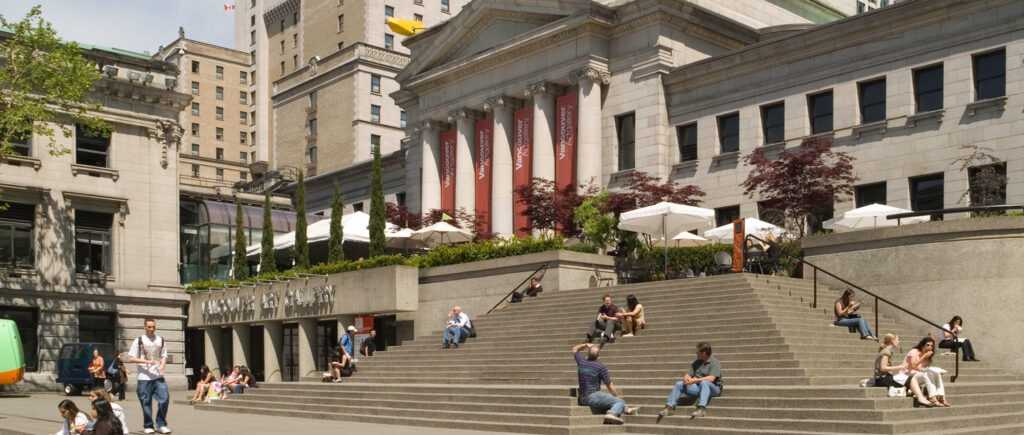
The Vancouver Art Gallery (VAG) holds the esteemed position of being the largest public art museum in Western Canada, encompassing a substantial 15,300 square meters. Located at 750 Hornby Street in Downtown Vancouver, the building itself is a historical landmark. Originally opened as a provincial courthouse, designed by Francis Rattenbury, the structure was re-purposed for museum use in 1983 and was designated the Former Vancouver Law Courts National Historic Site of Canada in 1980.
A Legacy of BC Visual Culture: Emily Carr and The Vancouver School
The VAG is the principal repository for works produced in British Columbia, providing the most comprehensive resource for visual culture in the region. The collection includes over 13,000 works and actively grows by several hundred pieces annually.
A cornerstone of the VAG’s holdings is the largest and most significant group of paintings and works on paper by the modernist landscape painter Emily Carr, whose work provided a strong foundation for West Coast art in the 1930s and 1940s. Beyond historical works, the collection’s contemporary strength lies in modern and contemporary pieces, particularly those that engage with the majestic BC landscape to investigate issues of identity.
Globally, the VAG is internationally respected for its exceptionally strong holdings in contemporary photo-based work, specifically the “Vancouver School” of photoconceptualism. This includes renowned Vancouver artists such as Jeff Wall, Stan Douglas, and Rodney Graham, making it one of North America’s most significant international photo-based collections. The distinct concentration of works by Emily Carr and the Vancouver School serves a critical dual function. It provides essential validation of regional identity for British Columbia residents while simultaneously contributing a unique regional perspective to the international discourse on photography and conceptual art. This strategic curatorial focus allows the VAG to effectively function as both a local cultural anchor and a highly regarded international player, generating both academic prestige and revenue through loans and reproduction rights.
Spotlight: What to See in 2025/2026 (Timeliness and Relevance)
The VAG ensures its dynamic relevance through a regular schedule of rotating exhibitions featuring both emerging and established international and Canadian artists. Looking ahead to 2025 and 2026, visitors can anticipate several major exhibitions:
- A major Canadian focus is centered on the collection’s greatest asset, with Emily Carr: Navigating an Impenetrable Landscape running from January 2025 through January 2026.
- International contemporary art will be showcased in Otani Workshop: Monsters in My Head, available between May 2025 and January 2026.
- The gallery continues to fulfill its mission to showcase regional legacies with We who have known tides: Indigenous Art from the Collection, on view from November 2025 to April 2026.
Practical VAG Data
The VAG operates Monday, Wednesday through Sunday from 10 AM to 5 PM, with extended hours on Friday evenings until 8 PM. Standard General Admission is $35 for Non-BC Residents and $29 for BC Residents. Importantly, admission is FREE for Indigenous Peoples and FREE on the first Friday of every month from 4 PM to 8 PM during Free First Friday Nights.
The location is highly transit-accessible. The closest SkyTrain stations are Vancouver City Centre (Canada Line) or Granville and Burrard (Expo Line), all located within a short three-to-five-minute walk. Parking is available in the underground Robson Square parking lot at Howe and Nelson Streets.
2. Window to the Coast: Museum of Anthropology (MOA)
Overview and World-Class Focus
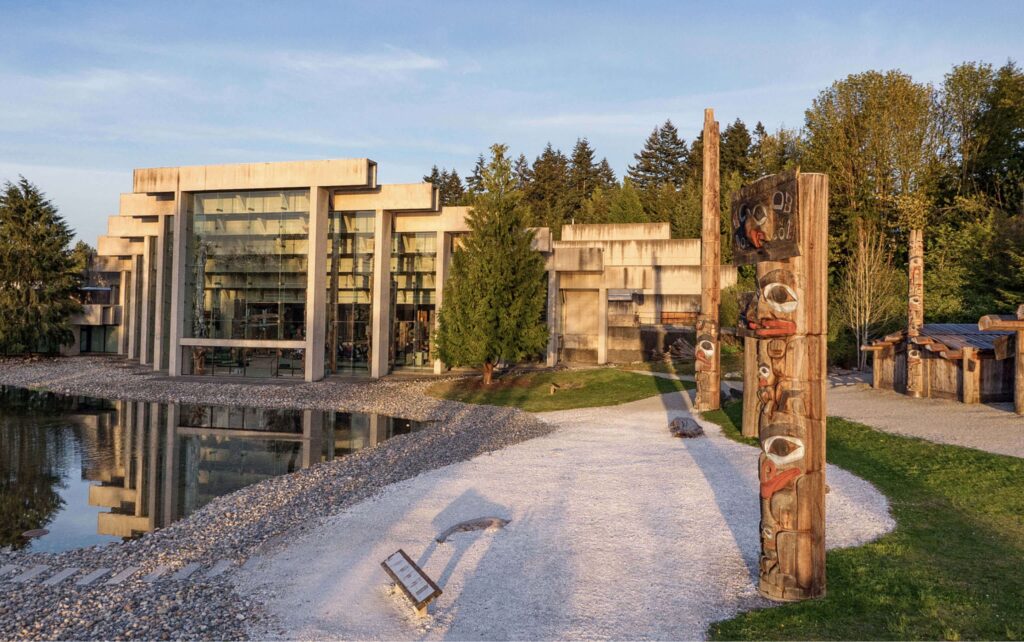
Located on the University of British Columbia (UBC) campus at 6393 NW Marine Drive, the Museum of Anthropology (MOA) is recognized as a world-class institution. It is globally renowned for its vast collection of ethnographic and archaeological objects, housing and celebrating approximately 50,000 works from across the globe, with a deep focus on Indigenous art and culture.
The Deep Dive: Indigenous Art and Research
The MOA’s primary appeal lies in its unparalleled depth in Northwest Coast Indigenous art and culture, offering visitors a unique opportunity to engage with the creative histories and ongoing legacies of the xʷməθkʷəy̓əm, Sḵwx̱wú7mesh, səlilwətaɬ, Haida, and other coastal nations. The institution functions as a critical centre for research and education.
Practical MOA Data
As of the spring of 2025, MOA is generally open every day of the week except Mondays. Operating hours are 10:00 AM until 5:00 PM, with extended hours until 9:00 PM on Thursday evenings.
Admission for adults is $25, and $22 for seniors and non-UBC students. In keeping with its commitment to equity, admission is free for UBC students and staff, as well as all Indigenous peoples. Furthermore, the museum offers subsidized entry every Thursday evening (5:00 PM to 9:00 PM) at half the regular price.
MOA’s physical location presents a logistical challenge for casual visitors relying solely on SkyTrain access, as it is not directly connected to a station. Access requires taking several westbound bus routes (e.g., the 99 B-Line, R4, 44, 4) to the UBC Exchange, followed by a 15- to 20-minute walk northwest to the museum, or a transfer to the 68 Wesbrook Village bus. This geographical distance, requiring advanced planning and additional transit time, suggests the museum primarily caters to scholarly, dedicated, and local community visitors who are willing to commit to the journey for the quality of the collection. The institution attempts to counterbalance this geographic inconvenience for key communities through its highly accessible pricing policies, such as free admission for Indigenous peoples and half-price Thursday evenings. Paid parking is available in front of the MOA and at the Rose Garden Parkade across the street ($4 per hour).
3. Telling Our Story: Museum of Vancouver (MOV)
Overview and Civic History Focus
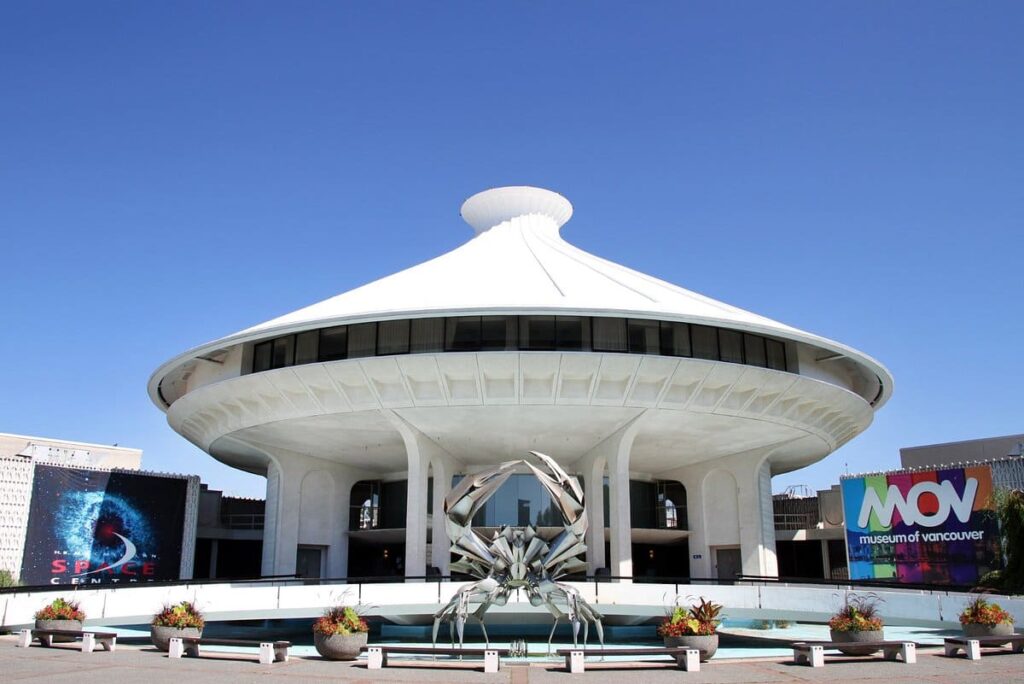
The Museum of Vancouver (MOV), situated at 1100 Chestnut Street in Vanier Park, Kitsilano, is the city’s premier institution dedicated to exploring the complex, evolving narrative of Vancouver history, spanning over a century of change.
A Time Capsule of the City: Journey Through Vancouver’s History
MOV’s permanent galleries offer an immersive, chronological journey, allowing visitors to walk through key decades of the city’s development:
- 1900s – 1920s: Gateway to the Pacific: This section explores the chaotic real estate frenzy, the expansion of streetcar lines, and the substantial communities of Chinese, Japanese, and South Asians who established homes in Vancouver despite intense prejudice. The exhibit candidly addresses the “shadow side” of the city’s early “golden years,” including the 1913 economic collapse and incidents like the Anti-Asian Riot and the Komagata Maru incident.
- 1930s – 1940s: Boom, Bust, and War: This era covers the severe economic impacts of the Great Depression and the subsequent gearing up of Vancouver factories and shipyards for wartime production. Crucially, it documents the devastating policy of Japanese Canadian internment following Pearl Harbour, where officials confiscated property and forced communities into interior camps.
- 1960s – 1970s: You Say You Want A Revolution: Celebrating the city’s rise as the “hippie capital of Canada,” this gallery covers the establishment of radical groups like Greenpeace and the successful citizen movements that fought against freeway construction, fundamentally changing Vancouver’s approach to city planning.
The institution distinguishes itself by presenting nuanced, sometimes painful, historical narratives alongside civic achievements. This critical approach to Vancouver’s past signals the museum’s commitment to fostering civic education, which is crucial for a contemporary museum’s mandate.
Focusing on the Present: Community and Contemporary Issues
The MOV actively connects historical resilience to current social challenges. This commitment to contemporary life is demonstrated through community-based exhibitions, such as the upcoming display scheduled for October 2025 through March 2026. This exhibition will feature photographs taken by Longhaulers (people living with Long COVID), utilizing a participatory arts approach to foster informed dialogue, amplify patient voices, and advocate for greater support. This focus establishes a clear lineage between MOV’s documentation of historical community resilience and its engagement with present-day public health and advocacy.
Practical MOV Data
The MOV currently maintains limited public hours, operating Thursday through Sunday from 10 AM to 4 PM. Standard Adult admission is $23.
The museum’s location in Vanier Park means it is not directly accessible by SkyTrain. Visitors must use the #2 bus route. For those driving, the location is accessible via the Burrard Street Bridge, followed by turns onto Cornwall and Chestnut Streets. Dedicated paid parking is available at EasyPark Lot 60 (1100 Chestnut Street), which is a paved car park with 264 stalls and no height restriction.
4. Honoring Northwest Coast Art: Bill Reid Gallery of Northwest Coast Art (BRG)
Overview and Mission
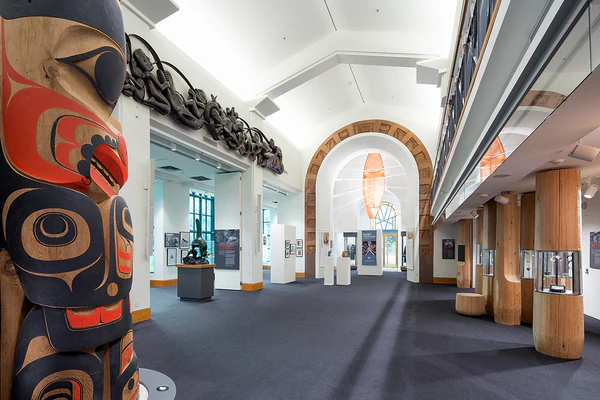
The Bill Reid Gallery of Northwest Coast Art (BRG) is Vancouver’s dedicated institution to the life, art, and enduring legacy of Bill Reid, the celebrated Haida artist, and the broader spectrum of Northwest Coast Indigenous art. It is located in the downtown core at 639 Hornby Street.
Dedicated to the Master: Bill Reid’s Works and Legacy
The foundation of the gallery is the Simon Fraser University Bill Reid Collection, comprising 161 works in a variety of media, including prints, jewelry, and sculptures. The BRG actively seeks to expand its collection, prioritizing the art, archives, and photographs of Bill Reid, as well as works by artists related to his legacy and contemporary Northwest Coast Indigenous artists. The gallery maintains strict criteria, focusing on cultural significance, physical condition, and responsible stewardship.
Practical BRG Data
During winter hours (October to May), the BRG is open Tuesday to Saturday from 10 AM to 5 PM. Regular adult admission is $13, making it one of the most affordable specialized galleries downtown.
The BRG offers exceptional cultural value by combining specialized, high-quality artwork with low financial barriers to entry. The admission price is significantly lower than that of larger museums. Crucially, the BRG provides FREE admission from 2 PM to 5 PM every first Friday of the month. This highly accessible pricing, coupled with its downtown, SkyTrain-adjacent location, positions the BRG as a highly accessible specialized cultural institution. The gallery successfully utilizes community partnerships (such as Downtown Van) to maximize public access and participation.
The gallery is highly accessible, located near the Canada Line’s Vancouver City Centre Station and the Expo Line’s Burrard Station. The exhibitions are spread across two levels, and the building provides a full elevator and an accessible, flat path from Georgia Street leading to the entrance.
5. Free and Cutting-Edge: Contemporary Art Gallery (CAG)
Overview and Mission
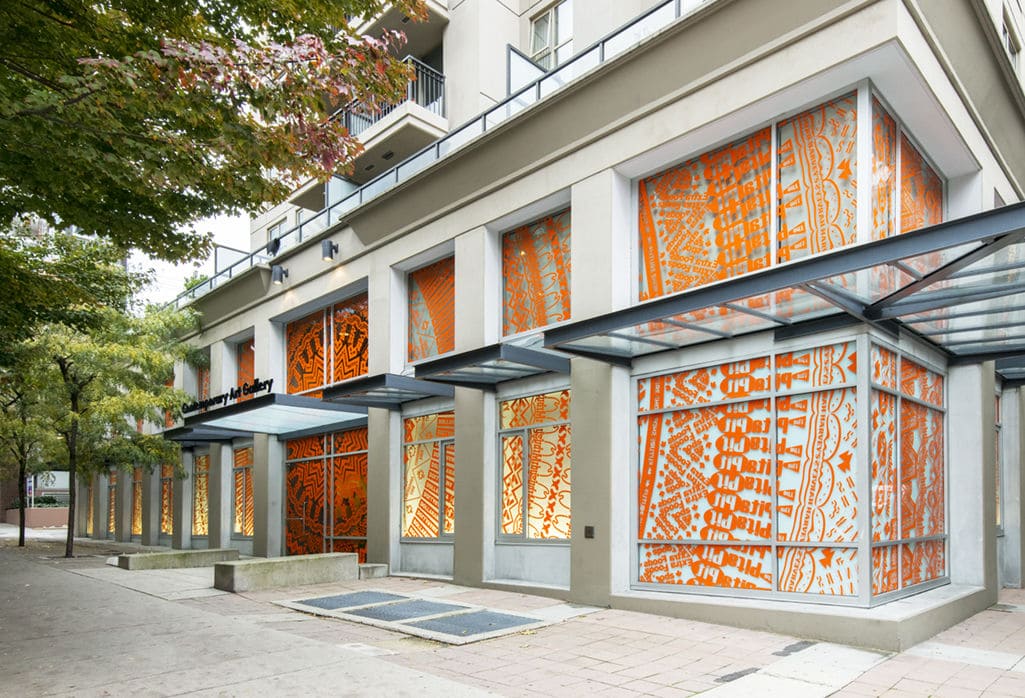
The Contemporary Art Gallery (CAG), located in Yaletown, serves as Vancouver’s crucial hub for showcasing experimental and contemporary art, both locally and internationally. The institution’s mission is artist-driven and audience-centered, championing art and ideas that transcend the familiar and encourage new ways of understanding the world.
Champions of the Avant-Garde (And Free Admission)
The CAG consistently exhibits globally recognized contemporary artists, including figures such as Dan Graham, Rachel Harrison, and Hans-Peter Feldmann. The gallery focuses on engaging with the current realities of the city and operates from a commitment to equity, actively confronting systems of white supremacy, colonialism, and privilege within its structure and programming.
A defining feature of the CAG is its financial policy: it offers free admission to all visitors, all the time. This permanent removal of the paywall is a tangible mechanism that directly enables the gallery’s mission of equity and social challenge. By eliminating cost as a barrier, the CAG ensures that its critical, progressive, and often politically charged art reaches the widest possible demographic, fostering broad civic dialogue and participation.
Practical CAG Data
The CAG is centrally located in Yaletown. While specific weekly hours vary, the gallery is typically open Wednesday through Sunday. Its location is highly convenient for transit users, being minutes away from the Canada Line SkyTrain.
6. Ignite Your Curiosity: Science World
Overview and Interactive Education
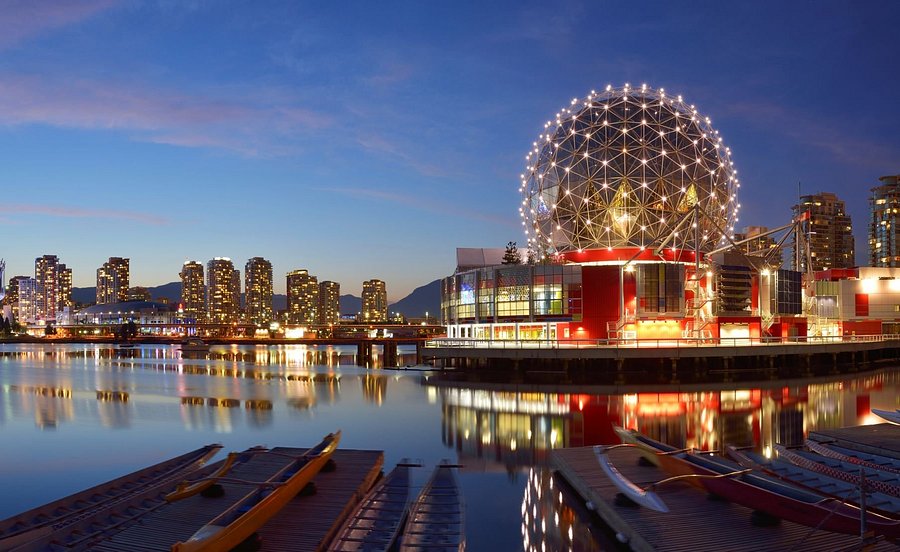
Science World is celebrated for its distinctive dome structure and operates as a hands-on, interactive science center, making it an essential destination for families, youth, and all individuals interested in the natural world and technology. While its primary focus is STEM education, the institution also integrates local art displays into its permanent galleries, such as BodyWorks, using art to tell stories about science and nature.
Transit Triumph: The Easiest Access in Vancouver
Science World boasts the most convenient logistical access of any venue on this list. It is located immediately across the street from the Main Street–Science World SkyTrain Station along the Expo Line. This connectivity means visitors arriving by transit from anywhere in Metro Vancouver can access the entrance within a minute of exiting the station.
The institution’s superior transit accessibility is a critical factor that helps justify its higher price point. For its core audience—families with children—the unparalleled logistical convenience minimizes travel stress and increases the overall value of the visit, even with an adult admission price of $35.75. Science World strategically leverages this prime location to attract high-volume family traffic.
Practical Science World Data
Science World is open daily, Monday through Sunday, from 10 AM to 5 PM. Adult admission is $35.75. Paid parking is available on site for those driving.
Plan Your Visit: Essential Practical Details (Tips & Tricks)
Maximize Your Budget: Free Days and Admission Hacks
For visitors aiming to maximize their cultural exploration while minimizing costs, a strategic approach to free days is highly recommended.
The Downtown Free Culture Corridor Strategy:
The first Friday of every month presents an opportunity for a budget-friendly cultural crawl in the downtown core:
- Bill Reid Gallery (BRG): Start the afternoon with FREE admission between 2 PM and 5 PM.
- Contemporary Art Gallery (CAG): Visit the CAG at any time, as admission is perpetually FREE.
- Vancouver Art Gallery (VAG): End the evening with FREE admission between 4 PM and 8 PM during Free First Friday Nights.
Specialized Savings:
The Museum of Anthropology (MOA) offers half-price admission every Thursday evening from 5:00 PM to 9:00 PM, an excellent budget-conscious opportunity to explore its vast collections.
The Vancouver Transit Cheat Sheet
The following table summarizes the most efficient transit access methods for visitors relying on the SkyTrain network.
The Vancouver Transit Cheat Sheet
| Venue | Closest SkyTrain Station/Line | Proximity/Walk Time | Key Transit Notes |
| Vancouver Art Gallery (VAG) | Vancouver City Centre (Canada Line) or Granville/Burrard (Expo Line) | 3–5 minutes | Use Vancouver City Centre for easiest access. |
| Bill Reid Gallery (BRG) | Vancouver City Centre (Canada Line) or Burrard (Expo Line) | 5 minutes | Located on Hornby Street. Accessible via a short stairway or a flat path from Georgia Street. |
| Science World | Main Street–Science World (Expo Line) | 1 minute (Across the street) | Unbeatable access; station is named after the destination. |
| Museum of Anthropology (MOA) | UBC Exchange (Bus Transfer Required) | 15–20 minute walk from Exchange | Plan for the bus connection (R4, 99 B-Line). Paid parking available. |
| Museum of Vancouver (MOV) | Not SkyTrain-accessible | Bus Route #2 required | Located in Vanier Park (Kitsilano). Easily accessed via car/bus from the Burrard Bridge. |
Cultural Landmark Comparison: Hours and Standard Admission
The table below provides a concise comparison of key visitor information for Metro Vancouver’s essential cultural venues.
Cultural Landmark Comparison: Hours and Standard Admission
| Venue | Hours of Operation (General) | Standard Adult Admission | Indigenous Peoples Access |
| Vancouver Art Gallery (VAG) | 10 AM – 5 PM (Mon, Wed–Sun); 10 AM – 8 PM (Fri) | $29 (BC Res) / $35 (Non-Res) | FREE |
| Museum of Anthropology (MOA) | 10 AM – 5 PM (Tues–Sun); 10 AM – 9 PM (Thurs) | $25 | FREE |
| Museum of Vancouver (MOV) | 10 AM – 4 PM (Thurs–Sun) | $23 | Check for community programs |
| Bill Reid Gallery (BRG) | 10 AM – 5 PM (Tues–Sat) | $13 | Check for community programs |
| Contemporary Art Gallery (CAG) | Check website (typically Wed–Sun) | FREE | N/A (Free for everyone) |
| Science World | 10 AM – 5 PM (Daily) | $35.75 | N/A |
Ready to Explore?
The cultural scene in Metro Vancouver offers diverse pathways to engage with art, history, and science, ranging from the immersive historical narratives at MOV to the cutting-edge international exhibits at CAG. Don’t wait for a rainy day to begin your exploration! Use the transit cheat sheet and free-day tips outlined above to plan your cultural itinerary today.
If you enjoyed walking the downtown cultural corridor between VAG, BRG, and CAG, be sure to check out our guide to “The Best Hidden Food Courts and Coffee Shops Near Granville Street” for a quick refuel.
Yared Nigussu Art Lab Studio & Gallery
Haney House Museum
Maple Ridge Museum
Morris and Helen Belkin Art Gallery
Beaty Biodiversity Museum
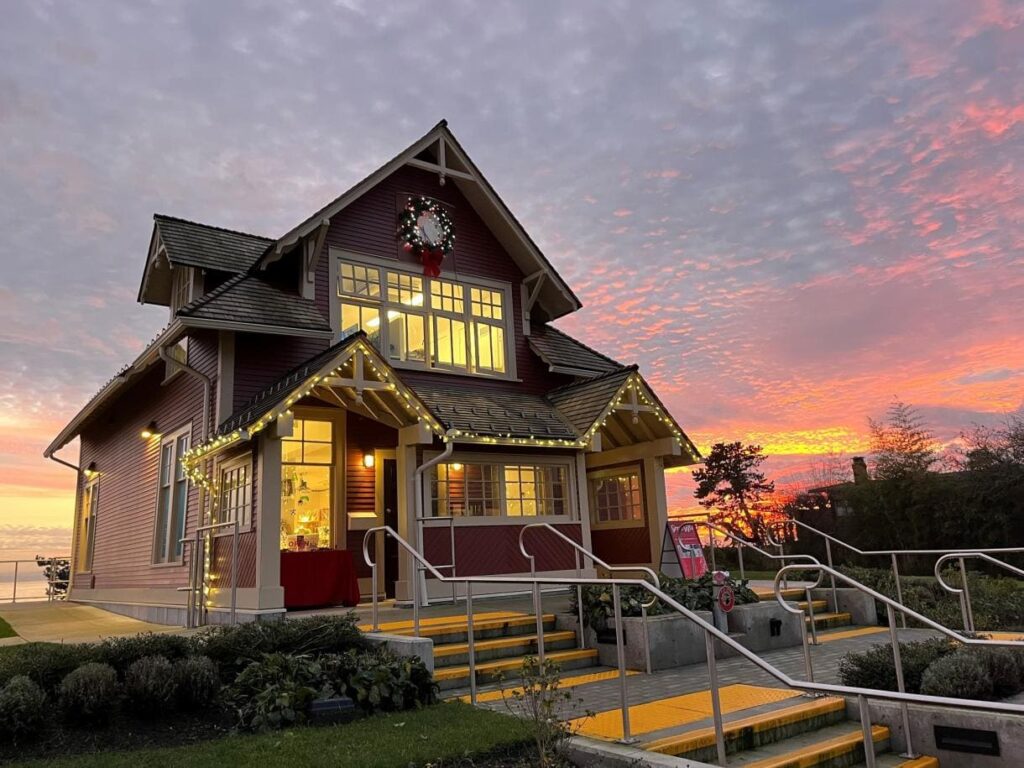
Ferry Building Gallery
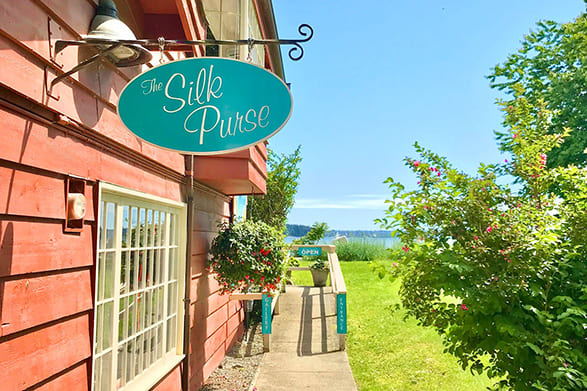
Silk Purse Arts Centre & West Vancouver Community Arts Council
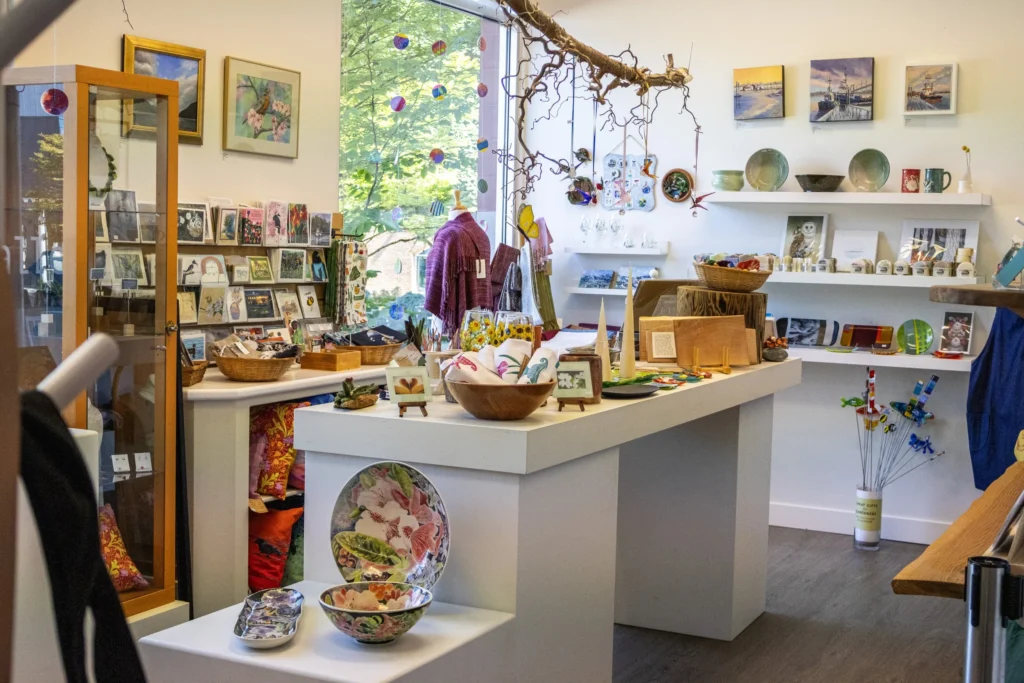
Maple Ridge Art Gallery
Museum of Vancouver (MOV)
Museum of Anthropology (MOA)
Bill Reid Gallery of Northwest Coast Art
Contemporary Art Gallery (CAG)
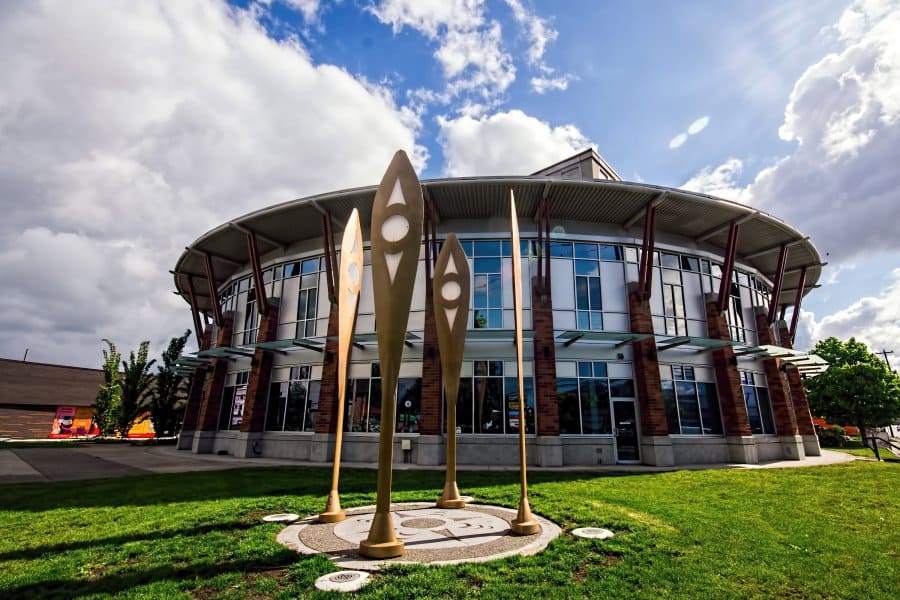
Museum of Surrey
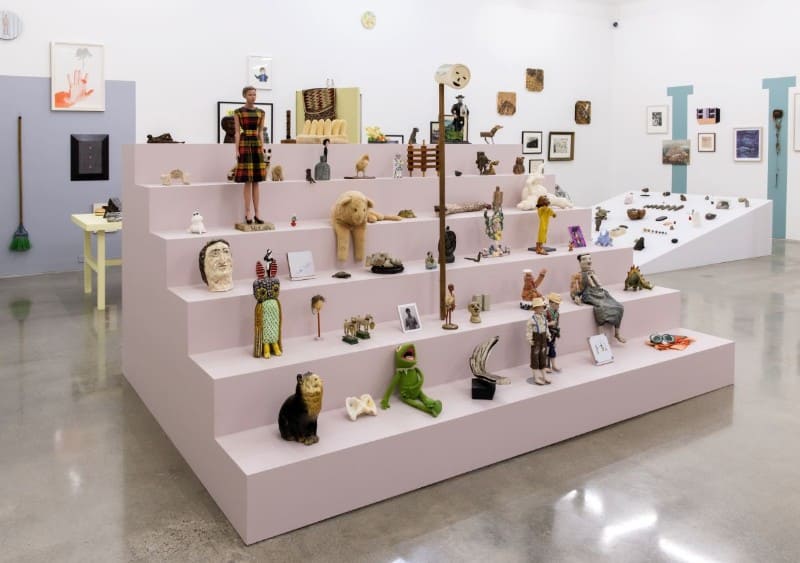
Griffin Art Projects Gallery (GAP)
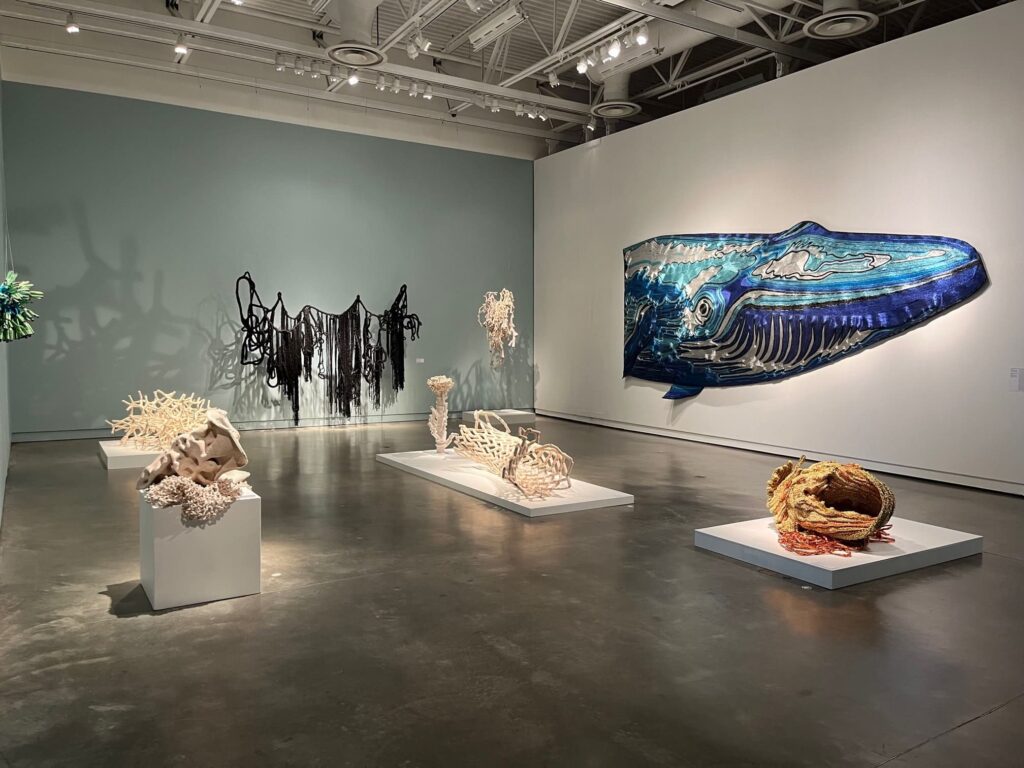
Surrey Art Gallery
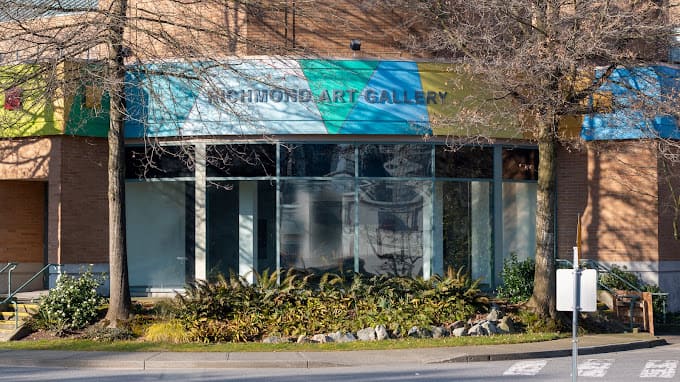
Richmond Art Gallery (RAG)
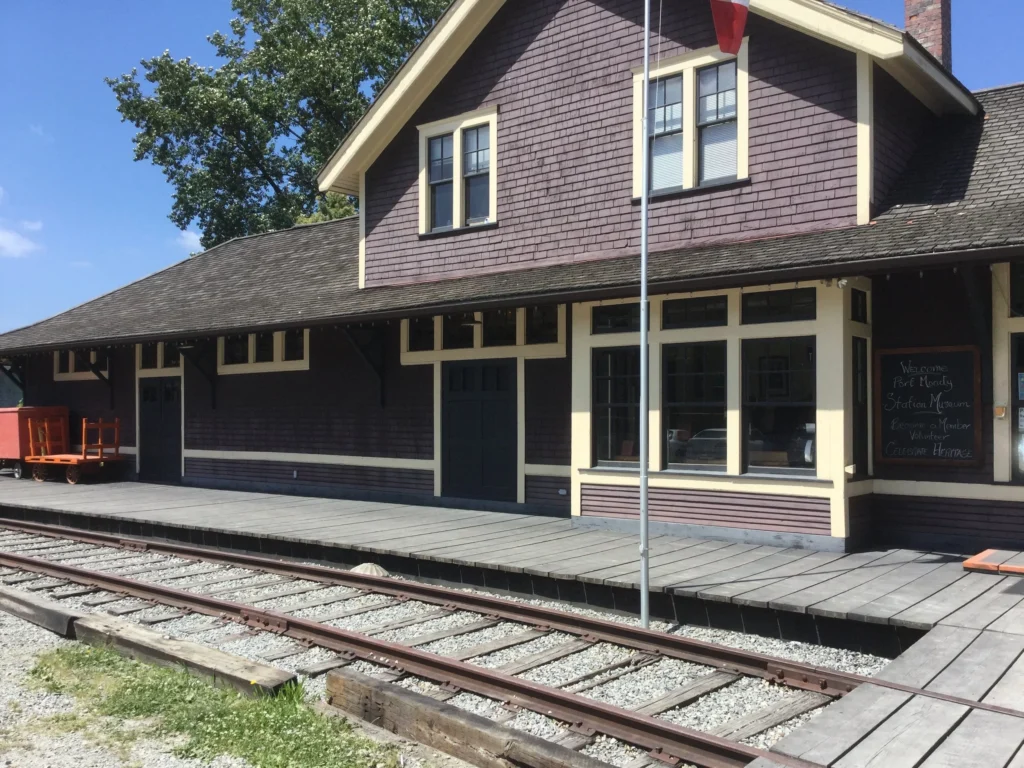
Port Moody Station Museum (PoMo Museum)
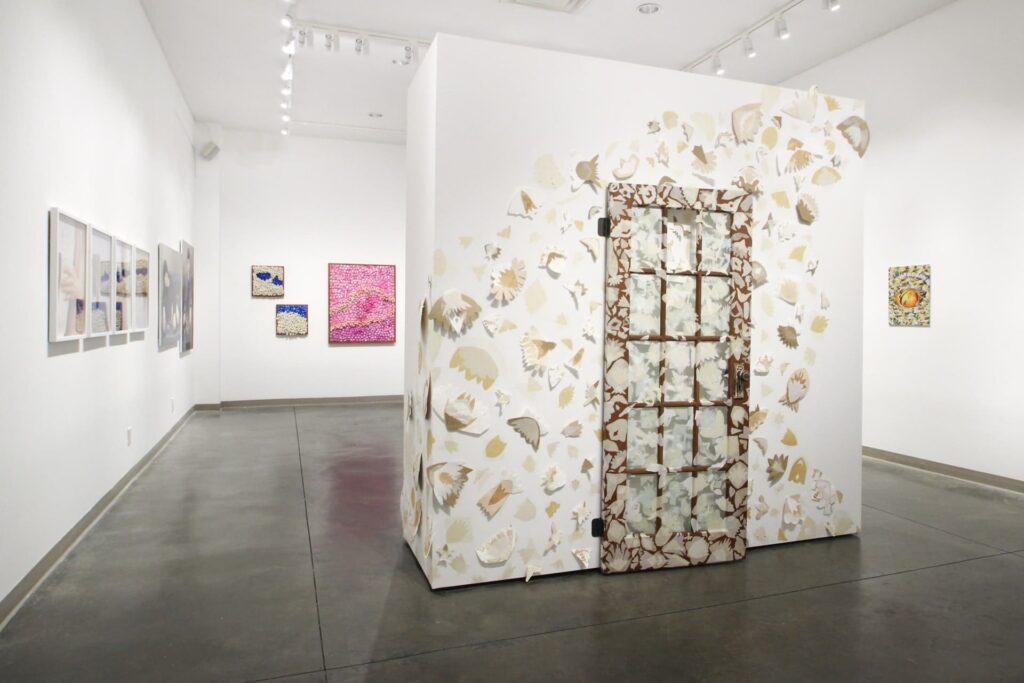
Seymour Art Gallery
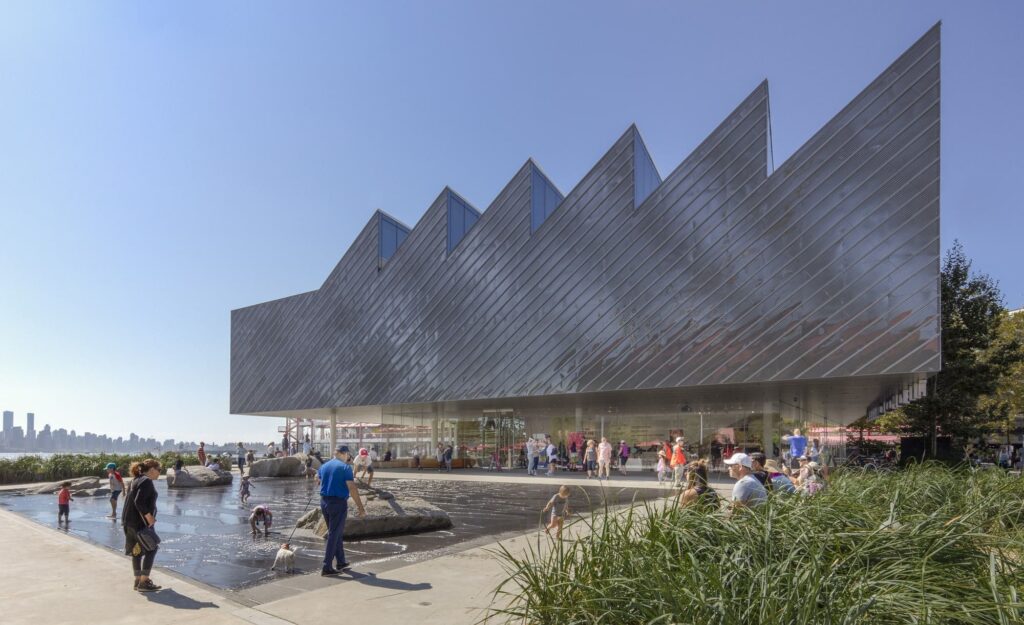
The Polygon Gallery
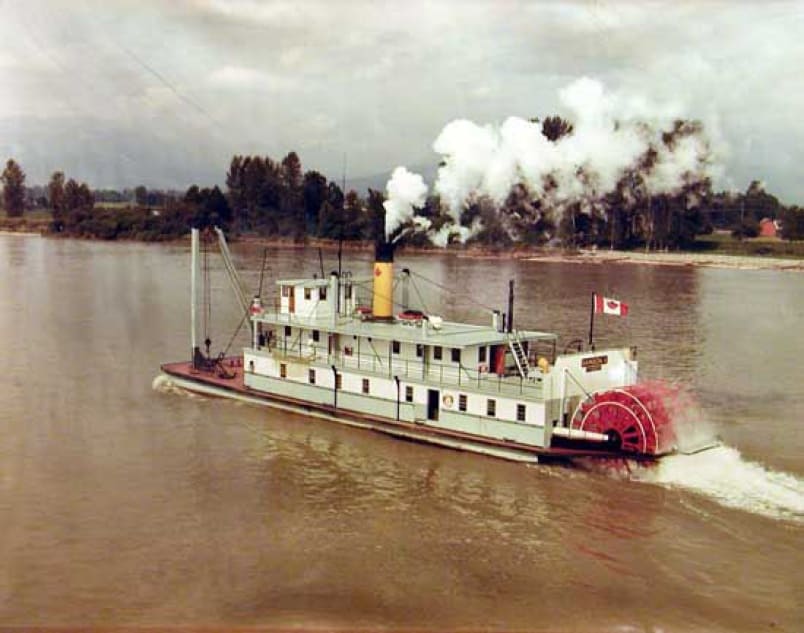
Samson V Museum
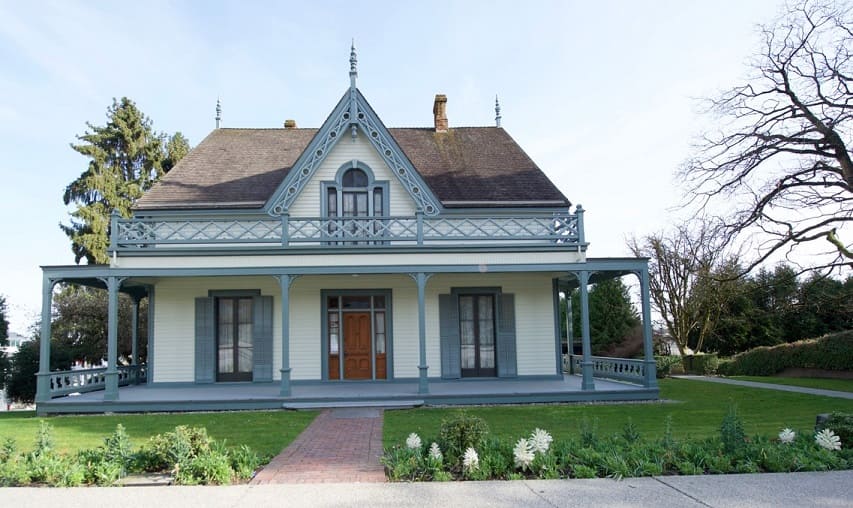
Irving House Museum

New Westminster Museum & Archives (Anvil Centre location)
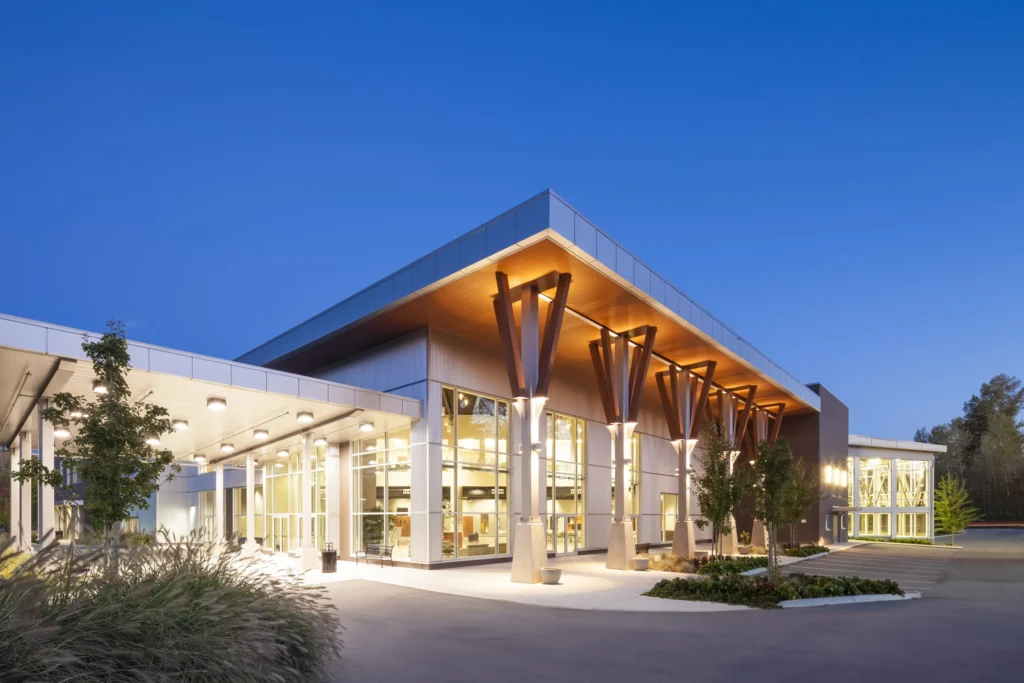
salishan Place by the River
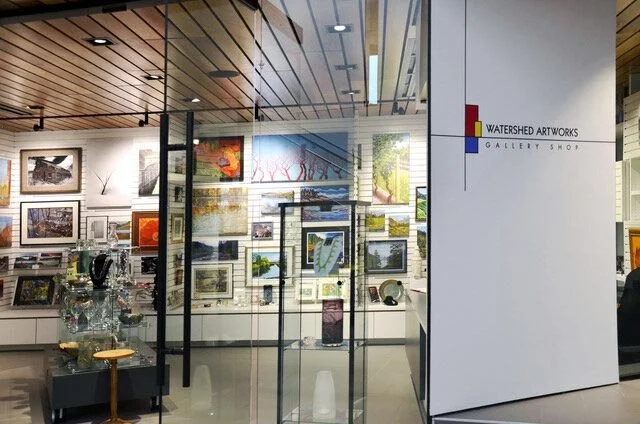
Watershed Artworks Gallery Shop
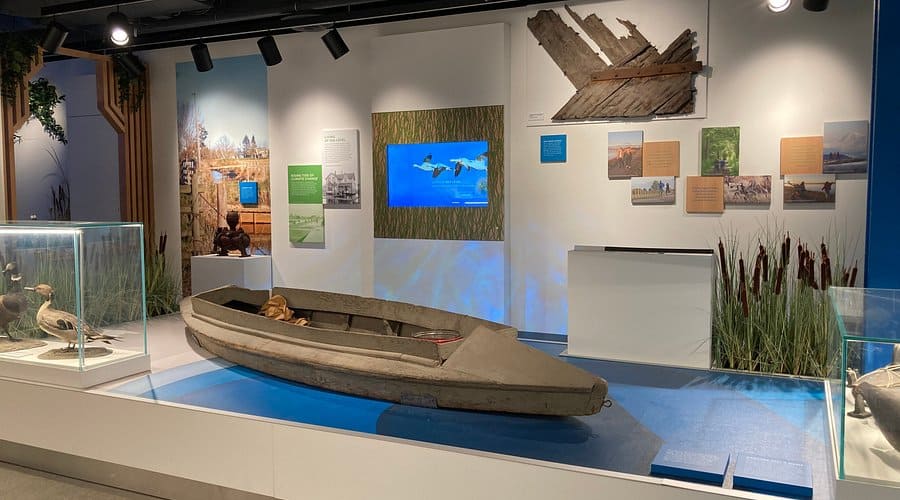
Douglas J. Husband Discovery Centre
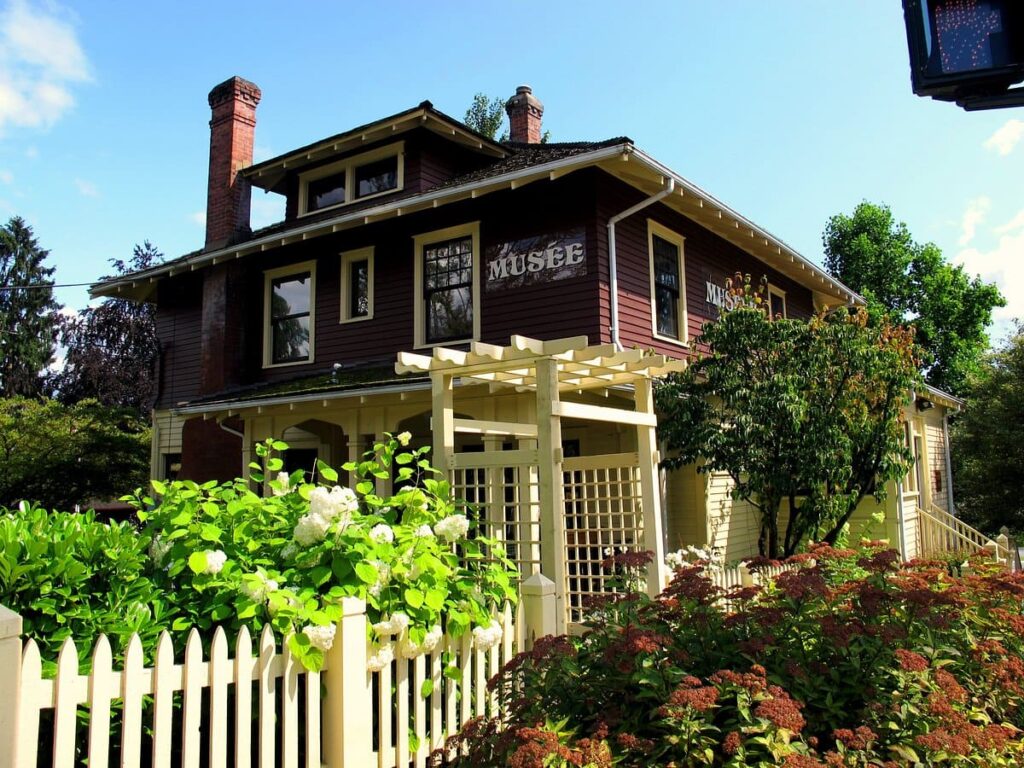
Mackin House Museum (Coquitlam Heritage Society)
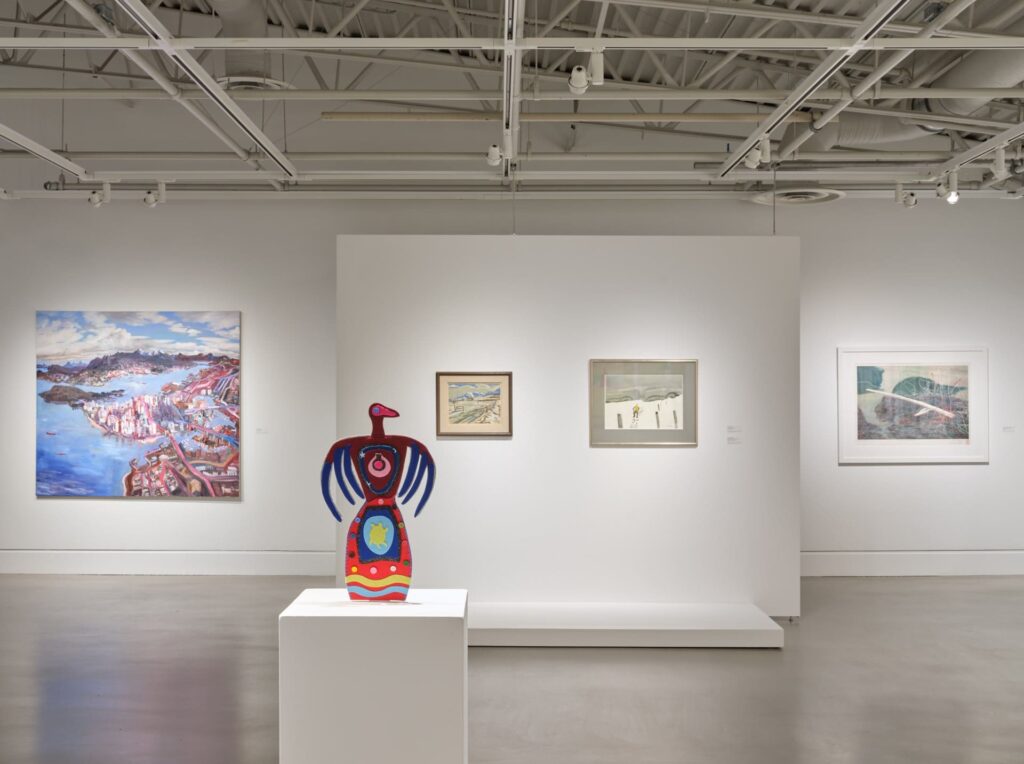
Art Gallery at Evergreen (Evergreen Cultural Centre)
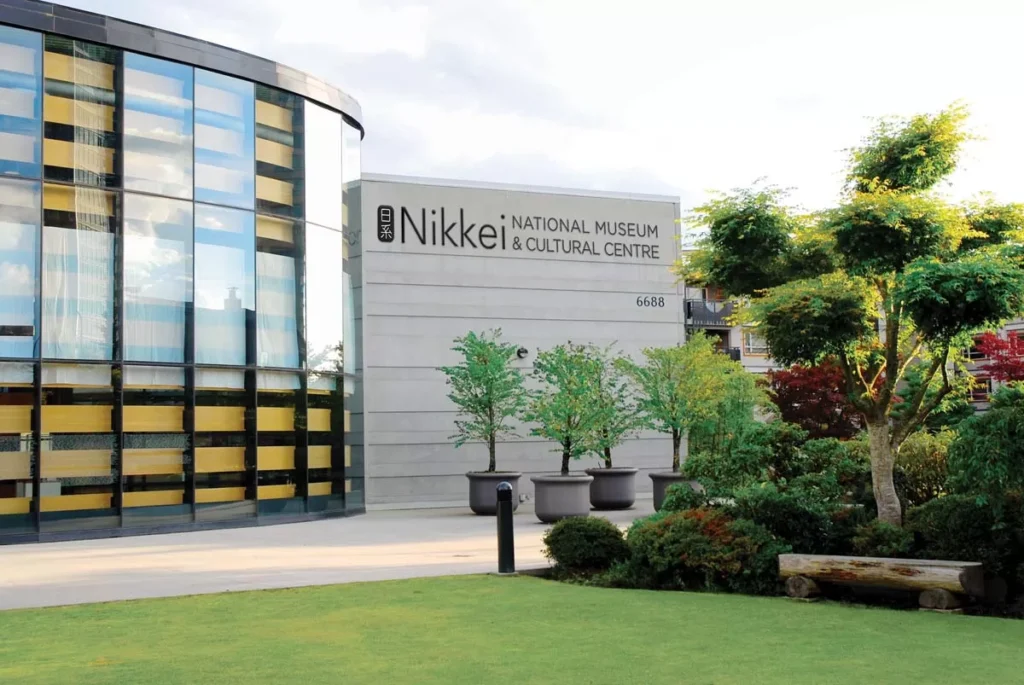
Nikkei National Museum & Cultural Centre
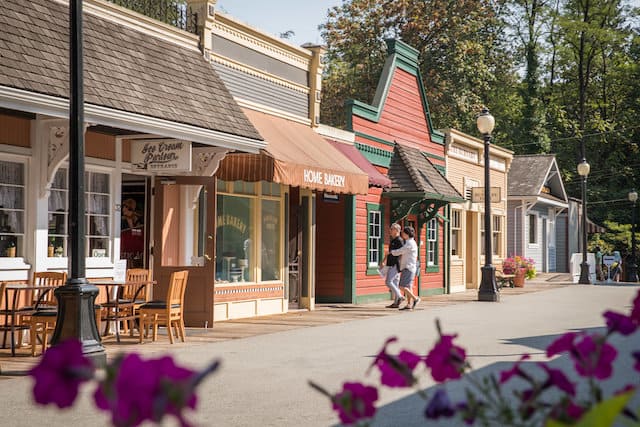
Burnaby Village Museum